036 月/24
single b cell sorting

Challenges and Solutions in Single B Cell Cloning-KMD Bioscience

Monoclonal antibodies are one of the most important types of biological drugs on the pharmaceutical market and can also be used for diagnostic purposes. The FDA has approved over 100 monoclonal antibodies for treating a wide range of diseases, including cancer, infectious diseases, autoimmune diseases, and neurological disorders. However, in the 10 years before 2020, the FDA has not approved any antibody drugs prepared by single B cell antibody production technology, and some shortcomings still need to be overcome and improved.

Monoclonal antibodies are often selected from antigen-specific single B cells derived from different hosts, which are notably short-lived in ex vivo culture conditions and hence, arduous to interrogate. The development of several new techniques and protocols has facilitated the isolation and retrieval of antibody-coding sequences of antigen-specific B cells by also leveraging miniaturization of reaction volumes. Alternatively, mAbs can be generated independently of antigen-specific B cells, comprising display technologies and, more recently, artificial intelligence-driven algorithms. Consequently, a considerable variety of techniques are used, raising the demand for better consolidation[1].

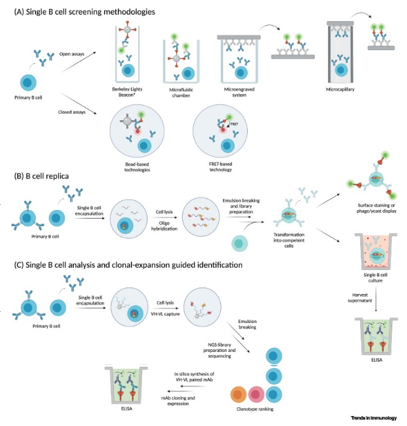
A rather novel methodology to identify antigen-specific B cells makes use of the recently developed single cell transcriptomic techniques, such as the 10x Chromium, or any system using beads carrying barcoded-oligos, such as Drop-Seq[2]. The concept is based on the fact that upon immunization or infection, among the most expanded clones (defined as a unique homologous combination of natively paired VH–VL), there is a higher prevalence of antigen-specific B cells[3]. Using conventional bulk Ig NGS techniques would be unable to directly deliver the genetic information of native antigen-specific monoclonal antibodies, because of the technical inability to retrieve natively paired individual VH–VL sequences. Despite this latter limitation, a first proof-of-principle study demonstrated the concept of antigen-specific BCR mining by using B cell sequencing data (not natively paired VH–VL sequences), analyzing properties such as clonal expansion, public clones, and mutational burden. The concept evolved further and a first panel of Ebola-virus-specific mAbs was identified based on the analysis of the most expanded clones upon Ebola VLP-based immunization of BALB/c mice and retrieval of natively paired VH–VL sequences using the picoliter well in a PDMS chip hosting individual B cells. The most expanded unique VH–VL sequences were chosen as candidates and then synthesized, cloned into suitable mammalian expression vectors, and expressed as recombinant mAbs to corroborate their antigen specificity (Figure 1).

Figure 1. Single B cell screening technologies using miniaturized equipment[1].

Despite the advent of many in vitro display technologies, the development of mAbs also relies on ex vivo single B cell interrogation. Among the plethora of techniques enabling this process, the hybridoma technology is still used in new discovery pipelines because it is easy, cheap, and familiar to many scientists . The main problems lie on the traditionally difficult-to-overcome mindset of having to adapt to new techniques, and the technical difficulty and execution of the new protocols (if described at all), as well as the price tag of the new instruments, making these methodologies out of reach for many laboratories.

Despite their difficult implementation, major advances are provided by the emerging new technologies for the interrogation of single B cells using high-throughput screening approaches, especially for the identification of mAbs that are specific for ‘high-hanging fruit’ antigens such as GPCRs, ion channels, and intracellular targets. In addition to high-throughput systems, it will be crucial to implement efficient functional screening approaches, including for viruses and toxins, as well as for protein neutralization or receptor blockade (see Outstanding questions).

Furthermore, it is likely that when (and not if) artificial intelligence (AI)-based solutions are readily available, many of the antibody-discovery campaigns might be conducted almost completely in silico, with the important exception of the ensuing in vitro and in vivo validation. Especially in the last 2 years, major advances have been made in the field of AI-based in silico prediction of protein structures, which might allow to more precisely predict the structural basis of antibody–antigen interactions in the near future, without the need of wet-laboratory techniques a priori . However, we expect that further advancement of single B cell technologies will still remain highly significant in mAb discovery; indeed, research focused on the isolation of natively paired VH–VL mAbs or on target-agnostic screenings remain fundamental research areas in immunology .

References

[1] Pedrioli A , Oxenius A .Single B cell technologies for monoclonal antibody discovery[J].Trends in Immunology, 2021, 42(12):1143-1158.DOI:10.1016/j.it.2021.10.008.

[2] Macosko E Z , Basu A , Satija R ,et al.Highly Parallel Genome-wide Expression Profiling of Individual Cells Using Nanoliter Droplets[J].Cell, 2015, 161(5):1202-1214.DOI:10.1016/j.cell.2015.05.002.

[3] Truck J , Ramasamy M N , Galson J D ,et al.Identification of antigen-specific B cell receptor sequences using public repertoire analysis.[J].The Journal of Immunology, 2015, 194(1):252-261.DOI:10.4049/jimmunol.1401405.

295 月/24
single b cell screening

Applications of Single B Cell Screening in Immunotherapy-KMD Bioscience

How could Single B cell screening revolutionize cancer treatment?

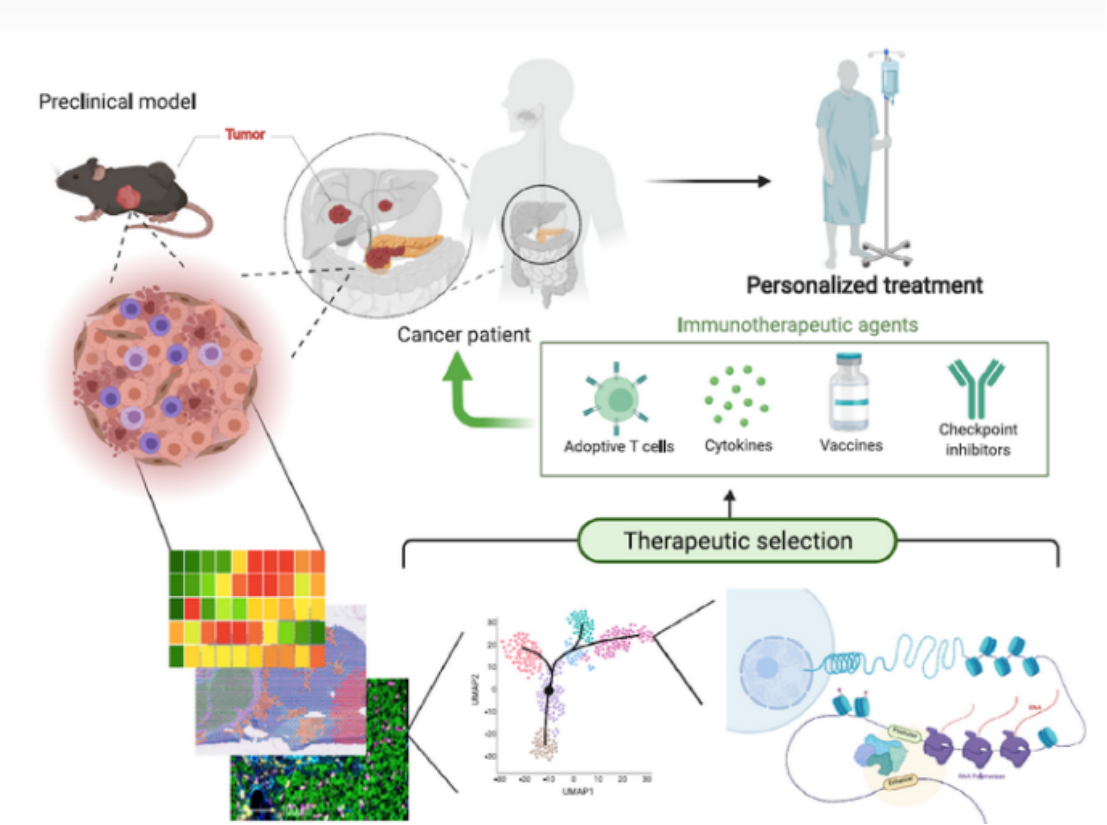
Single-cell technology is capable of characterizing the molecular state of each cell within a tumor, enabling new exploration of tumor heterogeneity, microenvironment cell type composition, and cell state transition, especially in immunotherapy. Analyzing clinical samples is highly accurate but technically challenging. This article reviews the application of current sample processing and computational analysis methods of single-cell technology in translational cancer immunotherapy research[1].

Single-cell analysis has become a widely used tool in cancer research to characterize the cellular and molecular composition of tumors. Techniques for analyzing individual cells are currently capable of measuring tumor heterogeneity across molecular levels, including DNA, RNA, proteins, and epigenetics. Whereas bulk techniques are limited to average signals that typically represent the molecular states of the most abundant cell populations, single-cell approaches address the cellular composition of the tumor microenvironment (TME). This feature holds particular promise in the field of tumor immunology because comprehensive analysis can identify the cell types and pathways involved in anti-tumor response and immune evasion[2].

Current single-cell technologies span a range of rapidly evolving methodologies, with the most common examples of tumor immunotherapy including single-cell RNA sequencing (scRNA-seq) for transcription profiling, mass spectrometry (CyTOF) for proteomic profiling, and spatial molecular profiling. Each of these techniques provides a high-dimensional molecular profile for individual cells that can be computationally classified into distinct cell populations.

single b cell screening

Figure 1: Mouse to human studies using high-dimensional analysis will advance the next generation of precise cancer immunotherapies.

How could Single B cell screeningrevolutionize autoimmune diseases?

cell depletion therapy is becoming increasingly important in the treatment of autoimmune diseases. Monoclonal antibodies that target B cells and plasma cells can effectively treat a wide range of autoimmune diseases, underscoring the importance of B cells in the pathogenesis of such diseases. Chimeric antigen receptor T (CAR-T) cell therapy, which targets B cells by identifying their highly specific and ubiquitous surface antigen CD19, has been applied in the field of hematological malignancies, bringing the treatment of autoimmune diseases into a new era. This article analyzes the mechanism of action and application of B-cell targeting monoclonal antibodies and CAR-T cell therapy, and discusses the advantages and disadvantages of these treatment options.

In autoimmune diseases, B-cell-associated monoclonal antibodies mainly target CD20, CD19, CD22, CD38 and B-cell activating factor (BAFF). Some drugs have been approved by the US Food and Drug Administration, such as rituximab, Beliuzumab, orfathomumab, etc.

Antibodies targeting CD20 are currently the most widely used monoclonal antibodies, and although these antibodies have the same target, their structures and indications are quite different. Inellizumab is a humanized anti-CD19 monoclonal antibody that has been approved by the FDA for the treatment of neuromyelitis spectrum disorder (NMOSD). In addition, there are several drugs that target other B cell surface antigens, such as epratuzumab, which targets CD22, and daratumumab, which targets CD38, that are being tried for the treatment of systemic lupus erythematosus.

Given the efficacy of chimeric antigen receptor T (CAR-T) cell immunotherapies in the treatment of diffuse large B-cell lymphoma and B-cell leukemia, they have also been used to eliminate B cells or plasma cells in autoimmune diseases.

Monoclonal antibody and CAR-T cell therapies have their advantages and disadvantages. Monoclonal antibodies, due to their short half-life, require multiple dosing to achieve the desired therapeutic effect. In contrast, CAR T cells act as a “living drug” that can multiply and expand in the body after infusion, and can survive for a long time. But CAR T cells require lymphocyte depletion chemotherapy with fludarabine and cyclophosphamide before administration, while monoclonal antibodies do not.

In clinical application, monoclonal antibodies cannot enter the autoreactive B cells in lymphoid organs and inflammatory tissues, so the effect of consumption of B cells is limited, and it is difficult to completely deplete B cells. CAR-T cell therapy works better in this regard, but higher efficacy is often accompanied by toxicity. Moreover, T cells in CAR-T cell therapy have intrinsic functional activity, leading to more complex and severe toxicity, such as fatal cytokine release syndrome (CRS). Therefore, in order to balance the safety and efficacy of CAR-T cell therapy, medication strategy is a key issue. In conclusion, while some clinical trials and cases have demonstrated the efficacy of CAR-based cell therapies, large cohort studies are still needed to evaluate their efficacy and safety before they can be widely used.

References

[1] Davis-Marcisak E F , Deshpande A , Stein-O’Brien G L ,et al.From bench to bedside: single-cell analysis for cancer immunotherapy[J].Cancer Cell, 2021, 39(8).DOI:10.1016/j.ccell.2021.07.004.

[2] Zhang Z, Xu Q, Huang L. B cell depletion therapies in autoimmune diseases: Monoclonal antibodies or chimeric antigen receptor-based therapy? Front Immunol. 2023 Feb 10;14:1126421. doi: 10.3389/fimmu.2023.1126421. PMID: 36855629; PMCID: PMC9968396.

275 月/24

KMD Bioscience-Advancements in High Throughput B Cell Screening Methods

The diversity of antibodies in the body plays a highly effective role in defending against foreign pathogens. Although antibodies can be used as potential therapies, there are so many of them that only a fraction of them can currently be tested. In the past, flow sorting was usually used to identify B cells that produce specific antibodies to screen for immortal B cells. But these methods, which match functional screening to heavy – and light-chain gene sequences, are less efficient: typically, a B cell can be screened against only a few antigens simultaneously. With the development of second-generation sequencing (NGS) methods, high-throughput screening has improved the efficiency of studying antibody sequences. High-throughput screening systems automate the parallel analysis of thousands of reactions, increasing the experimental scale and efficiency of drug screening. Among them, cell-based high-throughput drug screening becomes the main screening mode because it can provide a microenvironment similar to the physiological conditions of the human body. However, matching antibody sequencing to its antigen requires the synthesis and identification of single-cell clonal antibodies. Recent research still combines antibody sequencing and function to solve the problem of high-throughput screening, although some techniques have facilitated the discovery of some neutralizing antibodies, but still face the problem of screening multiple antigens for a single B cell[1].

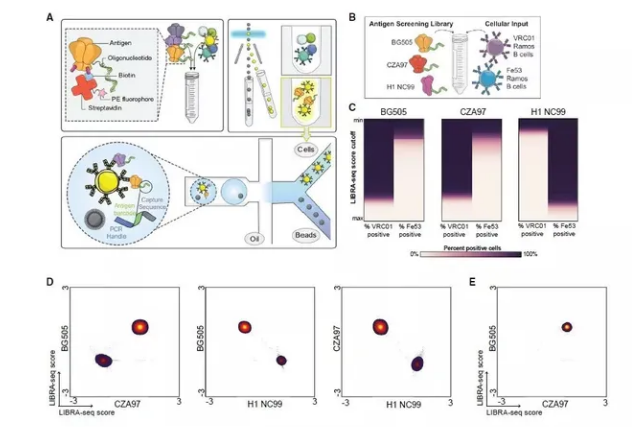
Dr. Ivelin S. Georgiev’s team from Vanderbilt University Medical Center in the United States, together with 17 other research institutions, Including a collaboration between Duke University School of Medicine and Harvard Medicine for a Cell paper on High-Throughput Mapping of B Cell ReceptorSequences to Antigen Specificity, they developed Libro-SEq linking B cell receptor to antigen specification through sequencing (linking B cell receptor to antigen specification through sequencing) method. HIV – and influenza-specific B cells were identified in two HIV-infected individuals, while the antigen response of thousands of individual B cells was predicted, and a new HIV-neutralizing antibody was discovered. This study provides a new way for antibody discovery[2].

Figure 1: LIBRA-seq Assay Schematic and Validation[2]

Using Lip-SEQ as a second-generation sequence-based reading method applied to peripheral blood mononuclear cell samples from HIV-infected patients, the researchers successfully identified antibodies to HIV and influenza, including known and new neutralizing antibody lineages. After testing for accuracy with known B-cell receptors, they applied the technique to antibody discovery, confirming HIV-specific bNab in two known human samples and a new lineage of bNab. In addition, they found more HIV-specific antibodies and identified a class of them. Influenza-specific antibodies were isolated from HIV-1-infected patients by HA probe screening. These results indicate that the combination of the antibody sequence and its specificity can simultaneously screen out millions of B cells that can bind to specific antigens, avoiding the limitations of conventional fluorescence sorting. In addition to antibody discovery applications, Lilibra seq can also be applied to immune status monitoring, for example, they found that in B cells, B cells with a high score for several HIV-1 antigens LiLibra seq than B cells with a high score for only one HIV-1 antigen, their IGHV somatic mutations increased.

This study has developed and confirmed that LiP-SEQ is a high-throughput, measurable and promising technology. This method can profile single-cell clonal antibody sequences with a variety of different antigens, and can be applied to antibody discovery and immune status analysis, which is of great significance for the discovery of antibodies and vaccines. With the continuous accumulation of data, it will play a huge role in promoting the basic research and application of immunology.

References

[1] Busse, C.E., Czogiel, I., Braun, P., Arndt, P.F. & Wardemann, H. Single-cell based high-throughput sequencing of full-length immunoglobulin heavy and light chain genes. Eur J Immunol 44, 597-603 (2014).

[2] Setliff I, Shiakolas AR, Pilewski KA et al. High-ThroughputMapping of B Cell Receptor Sequences to Antigen Specificity Cell. 2019 Dec12;179(7):1636-1646.e15.

235 月/24

Advancing Antibody Discovery and Production: High Throughput B Cell Screening and Single Cell Sequencing-KMD Bioscience

Introduction:

Antibodies are vital tools in diagnostics, therapeutics, and research. The traditional approach to antibody development heavily relied on hybridoma technology, which has limitations in generating diverse antibody libraries and isolating rare antibodies. However, recent advancements in high throughput B cell screening and single-cell sequencing techniques have revolutionized antibody discovery and production. These technologies enable the identification and characterization of antibodies from individual B cells, leading to the development of highly specific and effective antibodies for various applications.

High Throughput B Cell Screening:

High throughput B cell screening has emerged as a powerful method to rapidly identify and isolate antibodies with desired properties. This technique involves the screening of large antibody libraries derived from B cells, allowing the interrogation of millions of B cells in a single experiment. High throughput platforms, such as microfluidics-based systems or droplet-based methods, enable the isolation of antigen-specific B cells with high throughput and efficiency.

By capturing individual B cells and their secreted antibodies, high throughput B cell screening enables the identification of rare, potent, and diverse antibody candidates. It allows the screening of complex targets, including pathogens, tumor antigens, or autoantigens, leading to the discovery of antibodies with high specificity and affinity. Additionally, high throughput B cell screening facilitates the identification of antibodies with unique functional properties, such as neutralization of viral infections or modulation of immune responses.

B Cell Antibody Production:

Once antigen-specific B cells are identified through high throughput screening, B cell antibody production is employed to generate recombinant antibodies. This process involves isolating antibody genes from individual B cells, followed by cloning and expressing these genes to produce recombinant antibodies.

B cell antibody production can be performed using various expression systems, including mammalian cells, bacteria, or yeast. Recombinant antibodies are produced in large quantities and can be further engineered or optimized to enhance their properties, such as affinity or stability. This approach allows for the production of highly specific and functional antibodies derived from individual B cells.

Single Cell Sequencing:

Single cell sequencing has revolutionized the field of antibody discovery by providing a comprehensive view of the antibody repertoire at the single cell level. This technique enables the sequencing of antibody genes from individual B cells, allowing the identification and characterization of the full diversity of antibodies present within an individual or a population.


By combining single cell sequencing with high throughput B cell screening, researchers can gain insights into the clonal diversity, somatic hypermutation, and antibody maturation processes. Single cell sequencing also facilitates the identification of rare antibody sequences, which may have unique functional properties or therapeutic potential. Moreover, single cell sequencing enables the reconstruction of antibody lineages, providing valuable information about the evolution and development of antibody responses.


Applications and Future Perspectives:

The integration of high throughput B cell screening and single cell sequencing has significantly accelerated antibody discovery and production. These technologies have led to the development of novel antibodies for diagnostics, therapeutics, and research applications. Antibodies derived from these approaches have shown promise in treating various diseases, including cancer, infectious diseases, and autoimmune disorders.


In the future, further advancements in high throughput B cell screening and single cell sequencing technologies will continue to enhance the efficiency and accuracy of antibody discovery. Integration with computational and bioinformatics tools will enable the analysis and interpretation of large-scale antibody sequence data. This will facilitate the identification of key antibody features and the prediction of antibody functions, ultimately leading to the design and development of more effective and tailored antibody-based interventions.


Conclusion:

High throughput B cell screening and single cell sequencing have transformed antibody discovery and production. These technologies allow for the rapid identification and isolation of antibodies from individual B cells, leading to the development of highly specific and functional antibodies. The integration of these approaches has expanded the diversity of antibody libraries, enabled the discovery of rare antibodies, and improved our understanding of antibody repertoires. With further advancements, high throughput B cell screening and single cell sequencing will continue to drive innovation and accelerate the development of next-generation antibody-based therapeutics and diagnostics.

205 月/24

Exploring the Structure and Potential of Single Chain Antibodies (scFv)-KMD Bioscience

Introduction:

Antibodies are powerful immune proteins that play a critical role in defending our bodies against pathogens. Traditional antibodies consist of two heavy chains and two light chains, forming a Y-shaped structure. However, advancements in antibody engineering have led to the development of smaller antibody fragments known as single-chain variable fragments (scFv). In this article, we will delve into the structure and potential applications of scFv antibodies.

Understanding scFv Structure:

ScFv antibodies are engineered by linking the variable regions of the heavy and light chains of an antibody with a flexible peptide linker. This fusion creates a single polypeptide chain, resulting in a compact structure. The scFv retains the antigen-binding site, maintaining its specificity and affinity for the target molecule.

The scFv structure typically consists of four domains: the variable heavy chain (VH), the variable light chain (VL), the peptide linker, and the constant region derived from the heavy chain (CH1). The VH and VL domains form the antigen-binding site, allowing scFv to recognize and bind to a specific target with high affinity.

Advantages of scFv Antibodies:

Size and Solubility:

scFv antibodies are smaller than full-length antibodies, making them more accessible to target molecules. Their compact structure also enhances solubility, enabling easier production and purification.

Versatility:

Due to their small size, scFv antibodies can penetrate tissues more effectively, including solid tumors. This property makes them promising candidates for targeted therapies and diagnostic applications.

Engineering Flexibility:

The modular nature of scFv allows for easy genetic manipulation, making it possible to introduce modifications and tailor their properties. This flexibility facilitates the development of novel therapeutic strategies and diagnostic tools.

Applications of scFv Antibodies:

Therapeutic Applications:

scFv antibodies hold potential in targeted cancer therapies. They can be engineered to deliver drugs or toxins directly to cancer cells, minimizing off-target effects. Additionally, scFv-based immunotherapies, such as chimeric antigen receptor (CAR) T-cell therapy, have shown promising results in treating hematological malignancies.

Diagnostics:

scFv antibodies can be utilized in diagnostic assays to detect specific biomarkers or pathogens. Their high affinity and specificity make them valuable tools for early disease detection, such as in infectious diseases or point-of-care testing.

Research Tools:

scFv antibodies are widely used in research laboratories as probes to study protein interactions, cellular processes, and signaling pathways. They can be labeled with fluorescent dyes or enzymes for imaging or detection purposes.


Future Perspectives:

The field of scFv antibodies continues to evolve, with ongoing efforts to improve their stability, pharmacokinetics, and capacity for multispecific targeting. Engineering strategies are being developed to enhance their half-life, reduce immunogenicity, and improve their ability to penetrate solid tumors.

Moreover, the combination of scFv antibodies with other therapeutic modalities, such as small-molecule drugs or nanoparticles, holds great promise for synergistic effects in targeted therapy approaches.

Conclusion:

Single chain antibodies (scFv) represent a significant advancement in antibody engineering, offering numerous advantages in terms of size, solubility, and versatility. Their compact structure and high specificity make them valuable tools for diagnostics, targeted therapies, and research applications. As research and development in this field continue, scFv antibodies hold tremendous potential for revolutionizing medicine and improving patient outcomes in various disease areas.

165 月/24

Understanding the Fab Region: Antibody Fragments and Molecular Weight-KMD Bioscience

Introduction:

Antibodies play a crucial role in our immune system’s ability to recognize and neutralize foreign substances. Within an antibody structure, the Fab region (Fragment antigen-binding) is responsible for binding to specific antigens. Understanding the Fab region, its molecular weight, and the significance of antibody fragments can shed light on the diverse applications of these antibody components.

The Fab Region and Antibody Fragments:

The Fab region is a crucial portion of an antibody molecule, consisting of two identical fragments that each contain an antigen-binding site. These fragments, known as Fab antibody fragments, are generated by enzymatic cleavage of antibodies, typically using proteases such as papain or pepsin.

The Fab fragments retain the ability to bind antigens but lack the Fc region (Fragment crystallizable) responsible for effector functions, such as complement activation or binding to Fc receptors. This characteristic makes Fab fragments particularly useful in applications where the effector functions of antibodies are not required or may interfere with the desired outcome.

Molecular Weight of Fab Antibody Fragments:

The molecular weight of Fab antibody fragments can vary depending on the type of antibody and the specific sequences involved. On average, Fab fragments have a molecular weight ranging from approximately 50,000 to 60,000 Daltons (Da). This molecular weight is considerably smaller than that of intact antibodies, which typically range from 150,000 to 180,000 Da.

The reduced molecular weight of Fab fragments offers several advantages in various applications. It allows for enhanced tissue penetration, faster clearance from the body, and improved solubility compared to full-length antibodies. This property makes Fab fragments particularly suitable for therapeutic applications that require rapid target engagement, such as imaging, diagnostic assays, or targeted drug delivery.

Applications of Fab Antibody Fragments:

Fab antibody fragments have found diverse applications across different fields due to their unique properties. Here are some notable applications:

Diagnostic Assays:

Fab fragments can be used as detection reagents in diagnostic assays, such as enzyme-linked immunosorbent assays (ELISAs) or lateral flow assays. Their smaller size allows for efficient binding to target antigens, enabling sensitive and specific detection of various analytes, including pathogens, biomarkers, or toxins.

Therapeutics:

Fab fragments have therapeutic potential in certain applications. By retaining antigen-binding specificity, Fab fragments can be developed into therapeutic agents for diseases such as cancer, autoimmune disorders, or infectious diseases. Their reduced size facilitates tissue penetration and clearance, potentially improving efficacy and reducing side effects.

Structural Biology:

Fab fragments are valuable tools in structural biology studies. Their smaller size and reduced complexity compared to intact antibodies make them suitable for crystallography or cryo-electron microscopy analysis. Fab fragments can provide detailed structural information about antigen-antibody interactions and aid in rational drug design.

Antibody Engineering:

Fab fragments serve as building blocks for antibody engineering. By combining Fab fragments from different antibodies, researchers can create bispecific antibodies that simultaneously bind two different target molecules. This property expands the possibilities for therapeutic applications, including redirecting immune responses, blocking multiple signaling pathways, or enhancing target cell killing.

Conclusion:

The Fab region and its corresponding antibody fragments play a vital role in the diverse applications of antibodies. Fab fragments offer advantages such as smaller size, enhanced tissue penetration, and improved solubility. Their reduced molecular weight enables various applications, including diagnostics, therapeutics, structural biology, and antibody engineering.

Understanding the molecular weight and functional significance of Fab antibody fragments provides insights into their unique properties and widens the scope of their applications. As research and technology continue to advance, harnessing the potential of Fab fragments will lead to further innovations in diagnostics, therapeutics, and other fields, contributing to improved healthcare and scientific advancements.

135 月/24

KMD Bioscience Unraveling the Potential of Humanized Mice: Bridging the Gap in Biomedical Research

Introduction:

In the realm of biomedical research, humanized mice have emerged as invaluable tools for studying human diseases and therapeutic interventions. These genetically modified mice possess functional human immune systems, making them uniquely suited for investigating human-specific immune responses and evaluating the efficacy of potential treatments. This article aims to explore the concept of humanized mice, focusing on humanized transgenic mice and their subsets, such as CD34 humanized mice and PBMC humanized mice, and their significant contributions to advancing scientific knowledge and medical discoveries.


Understanding Humanized Mice:

Humanized mice refer to genetically modified mouse models that have been engineered to harbor components of the human immune system. These mice provide a platform for studying human immune responses, infectious diseases, cancer, autoimmune disorders, and the evaluation of immunotherapies.


Humanized Transgenic Mice:

Humanized transgenic mice are created by introducing human genes or cells into the mouse genome. This genetic modification allows the mice to develop a functional human immune system. Two common approaches for generating humanized transgenic mice involve the engraftment of human hematopoietic stem cells (HSCs) or the transfer of human peripheral blood mononuclear cells (PBMCs) into immunodeficient mice.


CD34 Humanized Mice:

CD34 humanized mice are generated by engrafting human CD34+ hematopoietic stem and progenitor cells into immunodeficient mice. CD34+ cells are isolated from various sources, such as umbilical cord blood or bone marrow, and are then injected into the mouse model. These cells have the potential to differentiate into various immune cell types, allowing the development of a human immune system within the mouse.


PBMC Humanized Mice:

PBMC humanized mice involve the transfer of human peripheral blood mononuclear cells (PBMCs) into immunodeficient mice. PBMCs, derived from human blood samples, contain immune cells such as T cells, B cells, and natural killer (NK) cells. These cells are injected into the mouse model, leading to the development of a partially humanized immune system.

Applications and Significance:

Humanized mice offer unique opportunities to study human-specific diseases and immune responses, which cannot be fully replicated in traditional mouse models. They have become invaluable tools for numerous biomedical research areas, including:


Infectious Disease Research:

Humanized mice allow the study of human-specific pathogens and the evaluation of vaccines and antiviral therapies. They have been instrumental in understanding the mechanisms of HIV/AIDS, hepatitis, and other viral infections.

Cancer Research and Immunotherapy:

Humanized mice provide a platform for studying tumor development, immune responses, and the evaluation of novel cancer treatments. They have played a crucial role in the development and testing of monoclonal antibody therapies, CAR-T cell therapies, and immune checkpoint inhibitors.

Autoimmune Disease Modeling:

Humanized mice enable the investigation of human-specific autoimmune diseases, such as rheumatoid arthritis, multiple sclerosis, and lupus. They help unravel the underlying mechanisms and test potential therapeutic interventions.

Drug Development and Safety Assessment:

Humanized mice aid in the preclinical evaluation of drug candidates, assessing their efficacy, toxicity, and potential side effects in a humanized immune system. This approach can streamline the drug development process and reduce the reliance on animal testing.

Conclusion:

Humanized mice have revolutionized biomedical research by bridging the gap between human and animal studies. These genetically modified mouse models, including CD34 humanized mice and PBMC humanized mice, provide a unique platform to investigate human diseases, immune responses, and therapeutic interventions. They have significantly contributed to our understanding of human-specific diseases and the development of novel treatment strategies. As scientific advancements continue, humanized mice will remain invaluable tools for advancing medical knowledge, accelerating drug development, and ultimately improving patient outcomes in diverse fields of research.

095 月/24

Common antibody sequencing methods-KMD Bioscience

An antibody, also known as an immunoglobulin, is a Y-shaped protein molecule produced by the immune system in response to the presence of foreign substances called antigens. Antibodies play a fundamental role in the immune response, helping the body recognize and neutralize pathogens such as bacteria, viruses, and other harmful molecules. They are essential components of the adaptive immune system and provide targeted defense against specific antigens.

The main functions of antibodies include:

1. Recognition: Antibodies bind specifically to antigens, which can be proteins, carbohydrates, or other molecules found on the surface of pathogens or foreign substances.

2. Neutralization: By binding to antigens, antibodies can block the harmful effects of pathogens, such as preventing viruses from entering host cells.

3. Opsonization: Antibodies mark pathogens for destruction by immune cells, such as phagocytes, which recognize the antibody-antigen complex.

4. Complement Activation: Antibodies can trigger the complement system, a cascade of proteins that further enhances the immune response by promoting inflammation and pathogen destruction.

Antibody sequencing is a laboratory technique used to determine the genetic sequences of antibodies, specifically their variable regions. The variable regions of antibodies are responsible for antigen binding and determine the antibody’s specificity and affinity for a particular antigen.

Antibody sequencing can provide insights into:

  • The genetic basis of antibody diversity.
  • The identification of specific antibody clones.
  • The detection of mutations or variations in antibody sequences.
  • The development of monoclonal antibodies for research, diagnostics, and therapeutics.


Various sequencing methods, including Sanger sequencing, next-generation sequencing (NGS), and long-read sequencing technologies, droplet-Based Sequencing (e.g., 10x Genomics), hybridoma Sequencing, can be employed to determine antibody sequences. Next, we will introduce in detail the specific detection methods and their advantages and disadvantages.

Sanger Sequencing

Sanger sequencing, also known as chain termination sequencing or dideoxy sequencing, is a widely used method for determining the sequence of DNA or RNA. It was developed by Frederick Sanger and his colleagues in the late 1970s and is named after him. Sanger sequencing is a foundational technique in molecular biology and has been instrumental in many scientific discoveries and applications, including the sequencing of the human genome. Sanger sequencing is based on the selective incorporation of chain-terminating dideoxynucleotides (ddNTPs) into a growing DNA strand during DNA synthesis. Each ddNTP is labeled with a fluorescent dye, allowing the determination of the sequence as the terminated fragments are separated by size.

Here’s how Sanger sequencing works:

1. DNA Template: The DNA to be sequenced serves as the template. It can be single-stranded or double-stranded DNA.

2. Primer: A short DNA primer complementary to a region of the template is added. This primer serves as the starting point for DNA synthesis.

3. DNA Polymerase: DNA polymerase, which catalyzes the addition of nucleotides to the growing DNA strand, is also included in the reaction.

4. Mix of dNTPs and ddNTPs: The reaction mixture contains a mix of deoxynucleotide triphosphates (dNTPs) and chain-terminating dideoxynucleotide triphosphates (ddNTPs). The ddNTPs lack a 3′-OH group, preventing further extension of the DNA chain when they are incorporated。

5. Fluorescent Labels: Each ddNTP is labeled with a different fluorescent dye. These labels allow the determination of the sequence based on the color of fluorescence emitted when the fragments are analyzed.

6. DNA Synthesis and Fragmentation: DNA synthesis proceeds in separate tubes, each containing one of the four ddNTPs. As the DNA polymerase adds nucleotides to the growing chain, occasionally a ddNTP is incorporated, leading to chain termination. This results in a mixture of DNA fragments of varying lengths, each terminating with a different ddNTP.

7. Separation by Size: The DNA fragments are separated by size using a technique such as gel electrophoresis or capillary electrophoresis. The fragments migrate through a gel or capillary tube, with smaller fragments moving faster.

8. Detection: As the fragments pass through a detector, the fluorescent labels emit light of different colors. The emitted light is detected and recorded, allowing the determination of the sequence based on the order of colors observed.

9. Sequence Analysis: The sequence is determined by analyzing the data, with each peak corresponding to a specific nucleotide in the DNA sequence.

Sanger sequencing is known for its accuracy and is still widely used for sequencing individual DNA fragments, confirming sequences, and sequencing specific regions of interest. However, it has limitations in terms of throughput and is less suited for high-throughput, whole-genome sequencing compared to next-generation sequencing (NGS) technologies.

Advantages:

– Well-established and reliable.

– Provides accurate sequencing data.

– Suitable for confirming antibody variable regions and identifying mutations.

Disadvantages:

– Limited throughput, typically sequencing one DNA fragment at a time.

– Labor-intensive and time-consuming.

– May not be cost-effective for high-throughput analysis or comprehensive antibody repertoire studies.

Next-Generation Sequencing (NGS):

Next-Generation Sequencing (NGS), also known as high-throughput sequencing or massively parallel sequencing, represents a revolutionary advancement in DNA sequencing technology compared to traditional Sanger sequencing. NGS allows for the rapid and cost-effective sequencing of large quantities of DNA or RNA molecules simultaneously. It has revolutionized genomics research, enabling the sequencing of whole genomes, transcriptomes, and more, with applications spanning various fields, including biology, medicine, agriculture, and environmental science.

Key features and principles of NGS include:

1. Parallel Sequencing: NGS platforms can simultaneously sequence millions to billions of DNA fragments in parallel. This high-throughput capability drastically reduces the time and cost required to obtain sequence data.

2. Short Read Sequencing: NGS typically generates short DNA fragments (reads), often ranging from 50 to 300 base pairs. These short reads are then aligned and assembled to reconstruct longer sequences.

3. Library Preparation: Sample DNA or RNA is fragmented, adapters are added to the ends of the fragments, and the resulting library is sequenced. Various library preparation methods exist to target specific sequencing applications, such as whole-genome sequencing, exome sequencing, RNA-Seq, ChIP-Seq, and more.

4. Illumina, Ion Torrent, and PacBio: There are several NGS platforms available, each with its technology and advantages. Illumina platforms are based on sequencing-by-synthesis, Ion Torrent relies on pH changes caused by nucleotide incorporation, and PacBio uses single-molecule real-time (SMRT) sequencing.

5. Bioinformatics Analysis: NGS data analysis involves processing raw sequencing data, including base calling, read alignment, variant calling, and functional annotation. Specialized software and computational tools are used to extract meaningful biological information from the vast amount of sequence data.

6. Applications: NGS has numerous applications, including whole-genome sequencing, variant discovery, metagenomics, epigenomics, transcriptomics, and more. It is used in fields such as genetics, cancer research, personalized medicine, microbiology, and evolutionary biology.

Advantages:

1. High Throughput: NGS can generate vast amounts of sequencing data in a relatively short time, making it suitable for large-scale projects and high-throughput analyses.

2. Cost-Effective: Compared to traditional Sanger sequencing, NGS is cost-effective per base pair sequenced, allowing researchers to tackle ambitious sequencing projects within budget constraints.

3. Speed: NGS platforms can produce results much faster than older sequencing technologies, enabling rapid progress in genomics research.

4. Large-Scale Genomic Studies: NGS has facilitated the sequencing of entire genomes, making it possible to study genetic variation on a genome-wide scale.

5. Applications Across Diverse Fields: NGS has broad applications in various scientific disciplines, from medicine to agriculture to ecology, enabling new discoveries and applications.

Disadvantages:

1. Short Read Lengths: NGS typically produces short reads, which can make it challenging to assemble complex genomes or analyze repetitive regions.

2. Data Storage and Analysis: Handling and analyzing large NGS datasets require significant computational resources, storage capacity, and bioinformatics expertise.

3. Error Rates: While NGS platforms have low error rates, they can still introduce errors in sequencing data, which may require additional validation steps.

4. Sample Preparation Variability: Sample quality and library preparation can introduce biases and variability in NGS data, which need to be carefully controlled.

Single-Cell RNA Sequencing (scRNA-Seq)

Single-cell RNA sequencing (scRNA-Seq) is a powerful molecular biology technique that enables the study of gene expression at the single-cell level. Unlike traditional RNA sequencing methods, which provide an average expression profile for a population of cells, scRNA-Seq allows researchers to examine the gene expression patterns of individual cells within a heterogeneous sample. This technology has revolutionized our understanding of cell biology, developmental biology, immunology, cancer research, and many other fields.

Key features and principles of single-cell RNA sequencing include:

1.  Isolation of Single Cells: The first step in scRNA-Seq is to isolate individual cells from a tissue or sample. This can be done using various methods, such as fluorescence-activated cell sorting (FACS), microfluidics-based techniques, or manual isolation.

2. Cell Lysis and mRNA Capture: Once isolated, individual cells are lysed to release their RNA content. mRNA molecules are typically captured and converted into complementary DNA (cDNA) using reverse transcription. Unique molecular identifiers (UMIs) or barcodes are often added to each cDNA molecule to distinguish and quantify transcripts from the same cell.

3. Library Preparation: The cDNA molecules are then amplified and prepared into sequencing libraries. Specialized library preparation methods are used to retain information about the cell of origin for each transcript.

4. Sequencing: The prepared libraries are subjected to high-throughput sequencing using next-generation sequencing (NGS) platforms. Each read generated corresponds to a single transcript from an individual cell.

5. Data Analysis: The sequenced data undergoes a series of bioinformatics analyses to process, align, and quantify the reads. This includes cell demultiplexing, transcript quantification, quality control, and data normalization. Specialized software and tools are used for scRNA-Seq data analysis.

6. Cell Clustering and Visualization: One of the primary goals of scRNA-Seq analysis is to cluster cells based on their gene expression profiles. Visualization techniques like t-distributed stochastic neighbor embedding (t-SNE) and principal component analysis (PCA) help visualize the relationships between cells in a multidimensional space.

7. Biological Insights: By examining gene expression at the single-cell level, researchers can identify cell types, subpopulations, and rare cell states, uncover gene regulatory networks, and gain insights into developmental processes, disease mechanisms, and tissue heterogeneity.

Advantages:

1.  Resolution of Cellular Heterogeneity: scRNA-Seq allows the identification and characterization of distinct cell types and subpopulations within a tissue, providing insights into cellular diversity and functional specialization.

2. Discovery of Rare Cells: It enables the detection and study of rare cell types or states that may be missed in bulk RNA sequencing.

3. Differential Gene Expression: Researchers can assess differences in gene expression between individual cells, providing a detailed understanding of regulatory mechanisms and disease-related changes.

4. Cell Trajectory Analysis: scRNA-Seq can be used to infer cell development trajectories and lineage relationships, elucidating developmental processes and disease progression.

5. Targeted Therapeutics: Identifying specific cell types or states associated with diseases can guide the development of targeted therapies.

Disadvantages:

1.  Data Complexity: Analyzing scRNA-Seq data can be computationally intensive, requiring specialized bioinformatics expertise and resources.

2. Cost: scRNA-Seq can be more expensive than bulk RNA sequencing, particularly when profiling a large number of individual cells.

3. Technical Variability: Variability introduced during sample preparation and sequencing can affect data quality and interpretation.

4. Data Integration: Integrating data from multiple scRNA-Seq experiments or technologies can be challenging due to differences in protocols and batch effects.

Overall, single-cell RNA sequencing has transformed our ability to study cellular heterogeneity and gene expression dynamics at unprecedented resolution, offering valuable insights into complex biological processes and disease mechanisms.


Long-Read Sequencing

Long-read sequencing, also known as third-generation sequencing, refers to a class of DNA sequencing technologies that generate significantly longer DNA sequences in a single sequencing run compared to traditional short-read sequencing methods, such as Sanger sequencing and Illumina sequencing. Long-read sequencing technologies have revolutionized genomics research by enabling the sequencing of complex and repetitive genomic regions, detecting structural variants, and providing more complete genome assemblies.


Key features and principles of long-read sequencing include:

1.  Longer Read Lengths: Long-read sequencing technologies produce DNA sequences that are typically thousands to tens of thousands of base pairs in length. This contrasts with short-read technologies, which generate shorter sequences (typically a few hundred base pairs).

2. Single-Molecule Sequencing: Many long-read sequencing platforms are based on single-molecule sequencing, where individual DNA molecules are sequenced without the need for PCR amplification or fragmenting the DNA.

3. Real-Time Sequencing: Some long-read sequencing technologies, such as Pacific Biosciences (PacBio) SMRT sequencing, enable real-time monitoring of DNA polymerase activity, allowing for continuous sequencing of single DNA molecules.

4. Library Preparation: Sample preparation for long-read sequencing involves DNA extraction, fragmentation (if necessary), and the addition of adapters for sequencing. Some long-read technologies use circular consensus sequencing, where a single DNA molecule is sequenced multiple times to improve accuracy.

5. Sequencing Chemistry: Different long-read sequencing platforms use varying sequencing chemistries, including single-strand threading, nanopore sequencing, and others.

6. Data Analysis: Long-read sequencing data analysis includes base calling, alignment, consensus calling (for circular consensus sequencing), and assembly. Specialized bioinformatics tools are often required to handle the unique characteristics of long-read data.


Advantages:

1.  Resolution of Complex Genomic Regions: Long-read sequencing excels at sequencing through repetitive elements, structural variants, and regions with high GC content, which are challenging for short-read technologies.

2. Assembly of Complete Genomes: Long-read sequencing enables the assembly of more contiguous and accurate genomes, leading to improved reference genomes for species with complex genomes.

3. Structural Variant Detection: Long-read sequencing provides insights into structural variants (e.g., insertions, deletions, inversions) and their impact on genomic architecture.

4. Full-Length Transcript Sequencing: It allows the sequencing of full-length mRNA transcripts, aiding in the characterization of isoforms and alternative splicing events.

5. Epigenetic Studies: Long-read sequencing can be used to study DNA modifications (e.g., DNA methylation) directly on long DNA fragments.

Disadvantages:

1. Higher Error Rates: Long-read sequencing technologies can have higher per-base error rates compared to short-read technologies, although improvements have been made in recent years.

2. Cost: Long-read sequencing can be more expensive per base pair compared to short-read sequencing, limiting its use for large-scale projects.

3. Lower Throughput: Some long-read sequencing platforms have lower throughput, meaning fewer DNA molecules can be sequenced simultaneously compared to short-read technologies.

4. Bioinformatics Complexity: Analyzing long-read sequencing data can be more complex, as the data may require specialized tools and computational resources.

Overall, long-read sequencing has greatly expanded our ability to investigate genomic complexity, structural variation, and functional genomics. It complements short-read sequencing technologies and has become a valuable tool for various genomic and transcriptomic studies.


Droplet-Based Sequencing

Droplet-based sequencing is a high-throughput DNA sequencing method that leverages microfluidics technology to partition DNA molecules or genomic libraries into numerous tiny droplets, each containing a single DNA molecule or a library fragment. This technique enables massively parallel sequencing of individual molecules or fragments, making it highly efficient for applications such as single-cell genomics, single-cell RNA sequencing (scRNA-Seq), and high-throughput screening of genetic libraries.

Key features and principles of droplet-based sequencing include:

1.  Droplet Generation: A microfluidic device is used to create droplets, typically by combining a DNA sample or library with a water-in-oil emulsion. Each droplet encapsulates a single DNA molecule or library fragment.

2. Barcoding: Unique molecular barcodes or indices are incorporated into each droplet to label the encapsulated DNA fragments. These barcodes are essential for distinguishing and tracking individual molecules during subsequent sequencing and data analysis.

3. Library Amplification: Inside the droplets, DNA amplification takes place via PCR (polymerase chain reaction). This results in the generation of numerous identical copies of each DNA molecule within its respective droplet.

4. Sequencing: After library amplification, the droplets are broken, and the amplified DNA fragments are sequenced using next-generation sequencing (NGS) platforms, such as Illumina sequencers.

5. Data Analysis: Bioinformatics tools are used to demultiplex the sequenced data based on the unique barcodes, allowing the reconstruction of the original sequences of individual DNA molecules or library fragments.

Advantages:

1.  High Throughput: Droplet-based methods enable the parallel processing and sequencing of thousands to millions of individual molecules or library fragments simultaneously.

2. Single-Cell Analysis: Droplet-based sequencing is widely used for single-cell genomics and transcriptomics, allowing researchers to profile the gene expression of individual cells within heterogeneous populations.

3. Low Sample Input: It is suitable for applications with limited starting material, such as rare cell types or precious samples.

4. Library Complexity: The barcoding of individual molecules or library fragments minimizes PCR duplication and bias, resulting in accurate quantification and reduced sequencing costs.


5. Digital Nature: Droplet-based sequencing provides a digital readout of individual molecules, enabling the detection of rare variants, rare cell types, or low-abundance transcripts.

Applications:

1. Single-Cell RNA Sequencing (scRNA-Seq): Profiling the transcriptomes of individual cells to study cellular heterogeneity, developmental processes, and disease mechanisms.

2. Single-Cell DNA Sequencing: Investigating genetic heterogeneity among single cells, detecting somatic mutations, and studying clonal evolution in cancer research.

3. Library Screening: Identifying specific genetic variants, antibodies, or functional molecules within diverse libraries, such as antibody libraries or genetic mutant libraries.

4. Rare Variant Detection: Detecting rare genetic variants, including single nucleotide variants (SNVs) and insertions/deletions (indels), with high sensitivity.

5. Epigenomic Studies: Analyzing DNA methylation patterns and chromatin accessibility at single-cell resolution.

Droplet-based sequencing has significantly advanced our ability to study the genomics of individual cells and has broad applications in fields such as developmental biology, immunology, cancer research, and functional genomics.

Hybridoma Sequencing:

Hybridoma sequencing is a specialized molecular biology technique used to determine the genetic sequences of monoclonal antibodies (mAbs) produced by hybridoma cells. Hybridomas are immortalized cell lines formed by fusing a specific antibody-producing B cell with a myeloma cell. These hybridomas are used for the production of monoclonal antibodies, which are widely employed in research, diagnostics, and therapeutic applications. Sequencing the antibody genes of hybridoma cells is crucial for characterizing and optimizing the antibodies they produce.

Here is an overview of hybridoma sequencing and its key components:

Hybridoma Sequencing Workflow:

1.  Sample Collection: Hybridoma cells are grown in culture, and RNA is extracted from these cells. RNA contains the genetic information needed for antibody sequencing.

2. cDNA Synthesis: The extracted RNA is reverse transcribed into complementary DNA (cDNA). This cDNA represents the genetic information of the antibody mRNA transcripts within the hybridoma cells.

3. PCR Amplification: PCR (polymerase chain reaction) is used to specifically amplify the variable regions of the heavy (H) and light (L) antibody chains. These variable regions are responsible for antigen recognition and binding.

4. Sequencing: The amplified PCR products (H and L chain variable regions) are subjected to DNA sequencing using next-generation sequencing (NGS) or Sanger sequencing methods.

5. Bioinformatics Analysis: The sequencing data is analyzed using specialized bioinformatics tools to identify the full-length antibody variable regions, including the variable heavy (VH) and variable light (VL) regions, as well as the complementarity-determining regions (CDRs) that are critical for antigen binding.

Key Objectives of Hybridoma Sequencing:

1.  Antibody Sequence Identification: Determining the complete nucleotide sequences of the VH and VL regions allows researchers to identify the specific antibody clones produced by the hybridoma cells.

2. Antibody Characterization: Characterizing the antibody sequences aids in understanding the antibody’s specificity, affinity, and potential applications.

3. Optimization: Hybridoma sequencing can identify mutations or variations in the antibody genes, helping researchers optimize antibody production for increased efficacy or altered properties.

4. Quality Control: Confirming the antibody sequences ensures consistent and reproducible antibody production.

5. Recombinant Antibody Production: The obtained antibody sequences can be used to express recombinant antibodies in different host systems for various applications.

6. Diagnostics and Therapeutics: Sequenced antibodies can be used in diagnostics, as research reagents, or as therapeutic agents for conditions like cancer or autoimmune diseases.

Advantages:

1. Precision: Provides precise information about the genetic sequences of monoclonal antibodies, including CDRs critical for antigen recognition.

2. Quality Control: Enables quality control and validation of antibody production processes.

3. Customization: Allows researchers to tailor antibody sequences for specific applications.

4. Therapeutic Development: Supports the development of therapeutic monoclonal antibodies with optimized properties.

5. Diversity Analysis: Offers insights into the diversity of antibody clones within a hybridoma population, facilitating the selection of clones with desired characteristics.

Applications:

1.  Monoclonal Antibody Production: Ensures the consistency and quality of monoclonal antibodies for research and clinical applications.

2. Antibody Engineering: Provides a basis for antibody engineering and optimization.

3. Diagnostics: Used in diagnostic assays to detect specific antigens.

4. Therapeutics: Supports the development of therapeutic antibodies for treating diseases like cancer, autoimmune disorders, and infectious diseases.

Hybridoma sequencing is a valuable tool in antibody research and biotechnology, allowing researchers to better understand and harness the potential of monoclonal antibodies for a wide range of applications.

There are different methods for antibody sequencing. Each method has its unique advantages and applications. When choosing, you can choose a solution that suits you based on the design plan and samples.

065 月/24

Diverse Cell Immortalization Methods-KMD Bioscience

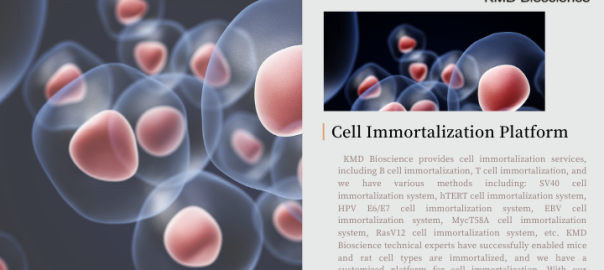
Cell immortalization, the process of bestowing cells the ability to proliferate indefinitely, is a cornerstone in biomedical research. It paves the way for long-term studies, fostering discoveries in cancer biology, drug development, and much more. Several methods have been developed to achieve cell immortalization, each with its unique advantages and applications. Here, we delve into some of these methods, highlighting their benefits and realms of application.

Telomerase Reverse Transcriptase (hTERT) Immortalization

Telomerase Reverse Transcriptase (hTERT) Immortalization is a molecular biology technique used to extend the replicative lifespan of human cells by introducing the human telomerase reverse transcriptase gene (hTERT) into them[1].

Here are some of the key advantages of hTERT immortalization in comparison to other approaches:

1. Natural-Like Telomere Maintenance:

hTERT immortalization extends cell lifespan by maintaining telomeres, which is a natural mechanism found in many immortal cell types. This approach mimics the mechanism employed by germ cells, stem cells, and some cancer cells to avoid telomere shortening and senescence. Other methods may rely on artificial mechanisms, such as viral oncogenes, that do not occur naturally.

2.No Requirement for Tumorigenic Genes:

Some methods of cell immortalization involve the introduction of genes with tumorigenic potential, such as viral oncogenes (e.g., SV40 Large T antigen) or mutant forms of tumor suppressor genes (e.g., p53). These genes can carry a higher risk of uncontrolled cell growth and may not be suitable for all research purposes. hTERT immortalization, in contrast, focuses specifically on telomere maintenance without introducing tumorigenic genes.

3.Long-Term Stability:

Immortalized cell lines generated using hTERT typically maintain stability over extended periods, providing a consistent and reliable resource for research. This is essential for long-term experiments and studies requiring a continuous supply of cells.

As we all know, Telomerase reverse transcriptase (hTERT) immortalization has a wide range of applications, here are a few key applications:

1.stem cell research:

Immortalization with hTERT enables the long-term culture and expansion of stem cells, including adult stem cells and induced pluripotent stem cells (iPSCs). This is essential for obtaining sufficient cell numbers for experimentation and therapeutic applications.

2. Drug Discovery and Development:

hTERT-immortalized cancer cell lines are essential tools for screening potential anticancer drugs. Researchers can assess the efficacy of new drug candidates and study their mechanisms of action, helping to identify promising therapies.Immortalized cells with controlled telomerase expression can be used for testing the effects of drugs on cells affected by telomere shortening. This is particularly relevant in drug discovery for age-related diseases or conditions influenced by telomere length.

3. Ideal for cells significantly affected by telomere length.

The primary purpose of hTERT immortalization is to extend the replicative lifespan of cells by preventing telomere shortening. Cells with critically short telomeres would otherwise undergo replicative senescence, leading to growth arrest. Immortalizing cells with hTERT allows researchers to extend the life of these cells without causing significant changes in their characteristics, making them more suitable for studying specific cell types or diseases.

4. Understanding Telomere Biology:

The use of hTERT immortalization helps researchers explore telomere biology in the context of stem cells, shedding light on how telomere maintenance impacts stem cell function and pluripotency.

Viral Oncogene Immortalization

Viral oncogene immortalization is a technique used to extend the replicative lifespan of cells by introducing specific viral genes known as oncogenes. Several viral oncogenes have been commonly used for immortalization, including:

SV40 Large T Antigen:

Derived from the Simian Virus 40 (SV40), Large T Antigen disrupts the functions of tumor suppressor proteins like p53 and pRb, leading to uncontrolled cell division.

HPV E6 and E7:

Human Papillomavirus (HPV) E6 and E7 oncoproteins target and inactivate p53 and pRb, respectively.

EBV LMP1:

Epstein-Barr Virus (EBV) Latent Membrane Protein 1 can activate various signaling pathways involved in cell proliferation and survival.

Here are some of the advantages of viral oncogene immortalization:

1. Well-established:

Viral oncogene immortalization is often a highly efficient process, rapidly extending the replicative lifespan of target cells.

2. Predictable Immortalization:

The introduction of specific viral oncogenes leads to predictable outcomes in terms of cell immortalization. Researchers can select oncogenes with well-defined mechanisms of action, ensuring consistency in the immortalization process.

3. Reliable Replicative Lifespan Extension:

Viral oncogene immortalization typically results in a stable and substantial extension of the replicative lifespan of target cells. This stability allows for long-term experiments and the generation of reliable and consistent cell lines.

Next, we will introduce some applications of Viral Oncogene Immortalization:

1. Establishment of Stable Cell Lines:

Viral oncogene immortalization allows researchers to create stable and continuously proliferating cell lines from primary or finite-lifespan cells. This is particularly useful for maintaining a consistent source of cells for experiments over extended periods.

2. Viral oncogene immortalization can be used for general research purposes where maintaining the original cell characteristics is not a primary concern.

This method is particularly useful when the emphasis is on obtaining long-lasting and rapidly proliferating cell lines for various experiments, and precise preservation of the original cell characteristics is not essential. For research aimed at understanding fundamental cellular processes such as cell cycle regulation, apoptosis, or signal transduction pathways, maintaining original cell characteristics may not be necessary.

3. Studies on viral oncogenesis:

Modeling Viral-Induced Transformation: Viral oncogene immortalization allows researchers to establish in vitro models of viral-induced cellular transformation. This involves introducing specific viral oncogenes into target cells to mimic the cellular changes caused by oncogenic viruses. These models are essential for understanding the early events in viral oncogenesis.


SV40 Large T Antigen Immortalization

SV40 Large T Antigen (SV40 LT Ag) immortalization is a widely used technique in cell biology and molecular biology to extend the replicative lifespan of mammalian cells[2]. SV40 LT Ag is derived from the Simian Virus 40 (SV40) and is known for its ability to disrupt the functions of tumor suppressor proteins, such as p53 and pRb (retinoblastoma protein). By inactivating these proteins, SV40 LT Ag enables cells to bypass senescence and continue dividing, making it a powerful tool for creating immortalized cell lines.


Advantages:

1. High efficiency: SV40 LT Ag immortalization is known for its high efficiency. It can rapidly extend the replicative lifespan of target cells, allowing for the creation of immortalized cell lines in a relatively short time.

2. SV40 LT Ag immortalization can be applied to a variety of cell types, including primary cells and cell lines derived from different tissues.

3. Induces telomerase activity, aiding in telomere maintenance. SV40 LT Ag-induced activation of telomerase results in increased telomerase activity. This leads to the extension of telomeres at the ends of chromosomes during cell division. Telomere extension helps prevent telomere shortening, which is a hallmark of cellular aging and senescence. As a result, SV40 LT Ag-immortalized cells can divide indefinitely without experiencing telomere-related replicative senescence.

Applications:

1. SV40 LT Ag-immortalized cell lines are used to study various aspects of cancer biology, including the molecular mechanisms underlying tumorigenesis, cancer progression, and drug resistance.

2. Molecular Biology Studies:SV40 LT Ag-immortalized cells serve as model systems for investigating cellular processes, such as cell cycle regulation, DNA replication, and DNA repair.

HPV E6/E7 Immortalization

HPV E6/E7 immortalization is a technique used to extend the replicative lifespan of cells by introducing two key viral genes, E6 and E7, derived from high-risk human papillomaviruses (HPV)[3]. HPV E6 and E7 oncoproteins have the ability to modulate cellular pathways, inhibit the functions of tumor suppressor proteins, and promote uncontrolled cell growth, ultimately leading to cell immortalization.

Advantages:

1. Effective in immortalizing epithelial cells: HPV E6/E7 immortalization is highly effective at immortalizing epithelial cells. Epithelial cells are the primary target of high-risk human papillomaviruses (HPV), and HPV E6 and E7 oncoproteins have evolved to interact specifically with cellular proteins in these cells, leading to their transformation and immortalization.

2. Specificity for Epithelial Cells: HPV E6/E7 oncoproteins are specifically tailored to interact with cellular proteins in epithelial cells. This makes them highly effective for immortalizing epithelial cell types, which are the primary targets of HPV infections.

3. Bypasses p53 and Rb tumor suppressor pathways, promoting cell cycle progression: HPV E6/E7-immortalized cells are used for molecular biology research to investigate cell cycle regulation, DNA repair, and various cellular processes affected by the disruption of p53 and pRb functions.

Applications:

1. HPV E6/E7-immortalized cell lines are valuable for studying the molecular mechanisms of HPV-associated cancers, such as cervical cancer.

2. Researchers can use HPV E6/E7-immortalized cells to create in vitro disease models that mimic the cellular changes associated with HPV infection and the development of HPV-related diseases.HPV E6/E7-immortalized epithelial cell lines are widely used in research related to HPV infections, including the study of viral replication, pathogenesis, oncogenesis, and the development of therapeutic strategies and vaccines.

Chemical or Physical Immortalization

Chemical immortalization involves the use of chemical compounds or agents to achieve the immortalization of cells. These compounds typically act on specific cellular pathways or components to prevent senescence or cell death.

Physical immortalization involves physical processes or alterations to the cells to extend their replicative lifespan. This can include mechanical, electrical, or other physical interventions.

Advantages:

Advantages of Chemical Immortalization:

1. Chemical immortalization allows researchers to have precise control over the process. They can choose specific compounds or agents that target particular cellular pathways or processes, tailoring the approach to their research goals.

2. Simple and cost-effective.

3. In some cases, chemical interventions for immortalization can be reversible. Researchers can remove the chemicals or agents to revert the cells back to their original state, providing flexibility in experimental design.

4. Chemical methods, such as telomerase introduction, typically carry a lower risk of introducing genomic instability compared to some physical methods or viral oncogene-based approaches.

Advantages of Physical Immortalization:

1. Physical immortalization methods, such as viral oncogene introduction, are known for their high efficiency in extending the replicative lifespan of cells. They can rapidly generate immortalized cell lines.

2. Immortalized cell lines created through physical methods are often stable over extended periods. They maintain their characteristics and proliferative capacity, providing a consistent and long-lasting source of cells.

3. Does not require genetic engineering.

Applications:

1. Chemical immortalization is used to create stable, long-lasting cell lines that can be propagated in culture for extended periods. Immortalized cell lines generated through chemical methods are employed in high-throughput drug screening assays.

2. Physical immortalization methods, particularly those involving viral oncogenes, are widely used in cancer research to create cell models that mimic aspects of cancer cell behavior. They are valuable for studying oncogenic processes, drug responses, and potential therapeutic targets.

Spontaneous Immortalization

Spontaneous immortalization refers to a natural process by which some cells, under certain conditions, become immortalized without deliberate external intervention. It occurs when cells continue to divide and proliferate beyond their normal replicative limit without undergoing senescence or cell death. Spontaneous immortalization typically involves genetic alterations that enable cells to escape normal regulatory mechanisms that limit cell division.

Advantages:

1. Natural process without exogenous intervention.Spontaneously immortalized cell lines can be readily obtained from naturally occurring biological samples, such as tissues or primary cultures.

2. Spontaneously immortalized cell lines are less likely to have undergone extensive genetic manipulation compared to some artificially immortalized lines. This can be an advantage when studying the natural biology of cells.

Useful for studying the mechanisms of cellular aging and immortalization.


Applications:

1. Spontaneously immortalized cells can be studied alongside their parental cells to understand the factors and genetic changes responsible for bypassing cellular senescence.

2. Precisely because spontaneous immortalization is a natural process in which cells become immortal without deliberate external intervention, the natural mechanisms of cellular immortalization can be well understood.

Each of these methods unveils a pathway to transcend the boundaries of cellular aging, opening doors to an array of research possibilities. The choice of method largely depends on the cell type, the research goal, and the importance of maintaining the original cellular characteristics. Through these diverse methods, the scientific community continues to unravel the mysteries of cellular processes, propelling the biomedical research field towards new horizons.

KMD Bioscience has extensive research experience in cell immortalisation. We have already successfully constructed the immortalized cell lines derived from human, mouse and rat. Based on the dedicated scientific teams and advanced experimental platforms, KMD Bioscience has developed an efficient virus transfection technology. We offer a comprehensive range of reagents and engineered cell lines to meet your research needs.

Visit https://www.kmdbioscience.com/pages/cell-immortalization-platform.html to have a detailed understanding.


References:

Yik MY, Azlan A, Rajasegaran Y, Rosli A, Yusoff NM, Moses EJ. Mechanism of Human Telomerase Reverse Transcriptase (hTERT) Regulation and Clinical Impacts in Leukemia. Genes (Basel). 2021 Jul 30;12(8):1188. doi: 10.3390/genes12081188. PMID: 34440361; PMCID: PMC8392866.

Bryan TM, Reddel RR. SV40-induced immortalization of human cells. Crit Rev Oncog. 1994;5(4):331-57. doi: 10.1615/critrevoncog.v5.i4.10. PMID: 7711112.

Hawley-Nelson P, Vousden KH, Hubbert NL, Lowy DR, Schiller JT. HPV16 E6 and E7 proteins cooperate to immortalize human foreskin keratinocytes. EMBO J. 1989 Dec 1;8(12):3905-10. doi: 10.1002/j.1460-2075.1989.tb08570.x. PMID: 2555178; PMCID: PMC402081.

025 月/24

KMD Bioscience Unraveling the Potential of Humanized Mice: Bridging the Gap in Biomedical Research

Introduction

In the realm of biomedical research, humanized mice have emerged as invaluable tools for studying human diseases and therapeutic interventions. These genetically modified mice possess functional human immune systems, making them uniquely suited for investigating human-specific immune responses and evaluating the efficacy of potential treatments. This article aims to explore the concept of humanized mice, focusing on humanized transgenic mice and their subsets, such as CD34 humanized mice and PBMC humanized mice, and their significant contributions to advancing scientific knowledge and medical discoveries.

Understanding Humanized Mice

Humanized mice refer to genetically modified mouse models that have been engineered to harbor components of the human immune system. These mice provide a platform for studying human immune responses, infectious diseases, cancer, autoimmune disorders, and the evaluation of immunotherapies.

Humanized Transgenic Mice

Humanized transgenic mice are created by introducing human genes or cells into the mouse genome. This genetic modification allows the mice to develop a functional human immune system. Two common approaches for generating humanized transgenic mice involve the engraftment of human hematopoietic stem cells (HSCs) or the transfer of human peripheral blood mononuclear cells (PBMCs) into immunodeficient mice.

CD34 Humanized Mice

CD34 humanized mice are generated by engrafting human CD34+ hematopoietic stem and progenitor cells into immunodeficient mice. CD34+ cells are isolated from various sources, such as umbilical cord blood or bone marrow, and are then injected into the mouse model. These cells have the potential to differentiate into various immune cell types, allowing the development of a human immune system within the mouse.

PBMC Humanized Mice

PBMC humanized mice involve the transfer of human peripheral blood mononuclear cells (PBMCs) into immunodeficient mice. PBMCs, derived from human blood samples, contain immune cells such as T cells, B cells, and natural killer (NK) cells. These cells are injected into the mouse model, leading to the development of a partially humanized immune system.


Applications and Significance

Humanized mice offer unique opportunities to study human-specific diseases and immune responses, which cannot be fully replicated in traditional mouse models. They have become invaluable tools for numerous biomedical research areas, including:

Infectious Disease Research

Humanized mice allow the study of human-specific pathogens and the evaluation of vaccines and antiviral therapies. They have been instrumental in understanding the mechanisms of HIV/AIDS, hepatitis, and other viral infections.

Cancer Research and Immunotherapy

Humanized mice provide a platform for studying tumor development, immune responses, and the evaluation of novel cancer treatments. They have played a crucial role in the development and testing of monoclonal antibody therapies, CAR-T cell therapies, and immune checkpoint inhibitors.


Autoimmune Disease Modeling

Humanized mice enable the investigation of human-specific autoimmune diseases, such as rheumatoid arthritis, multiple sclerosis, and lupus. They help unravel the underlying mechanisms and test potential therapeutic interventions.

Drug Development and Safety Assessment

Humanized mice aid in the preclinical evaluation of drug candidates, assessing their efficacy, toxicity, and potential side effects in a humanized immune system. This approach can streamline the drug development process and reduce the reliance on animal testing.


Conclusion

Humanized mice have revolutionized biomedical research by bridging the gap between human and animal studies. These genetically modified mouse models, including CD34 humanized mice and PBMC humanized mice, provide a unique platform to investigate human diseases, immune responses, and therapeutic interventions. They have significantly contributed to our understanding of human-specific diseases and the development of novel treatment strategies. As scientific advancements continue, humanized mice will remain invaluable tools for advancing medical knowledge, accelerating drug development, and ultimately improving patient outcomes in diverse fields of research.