
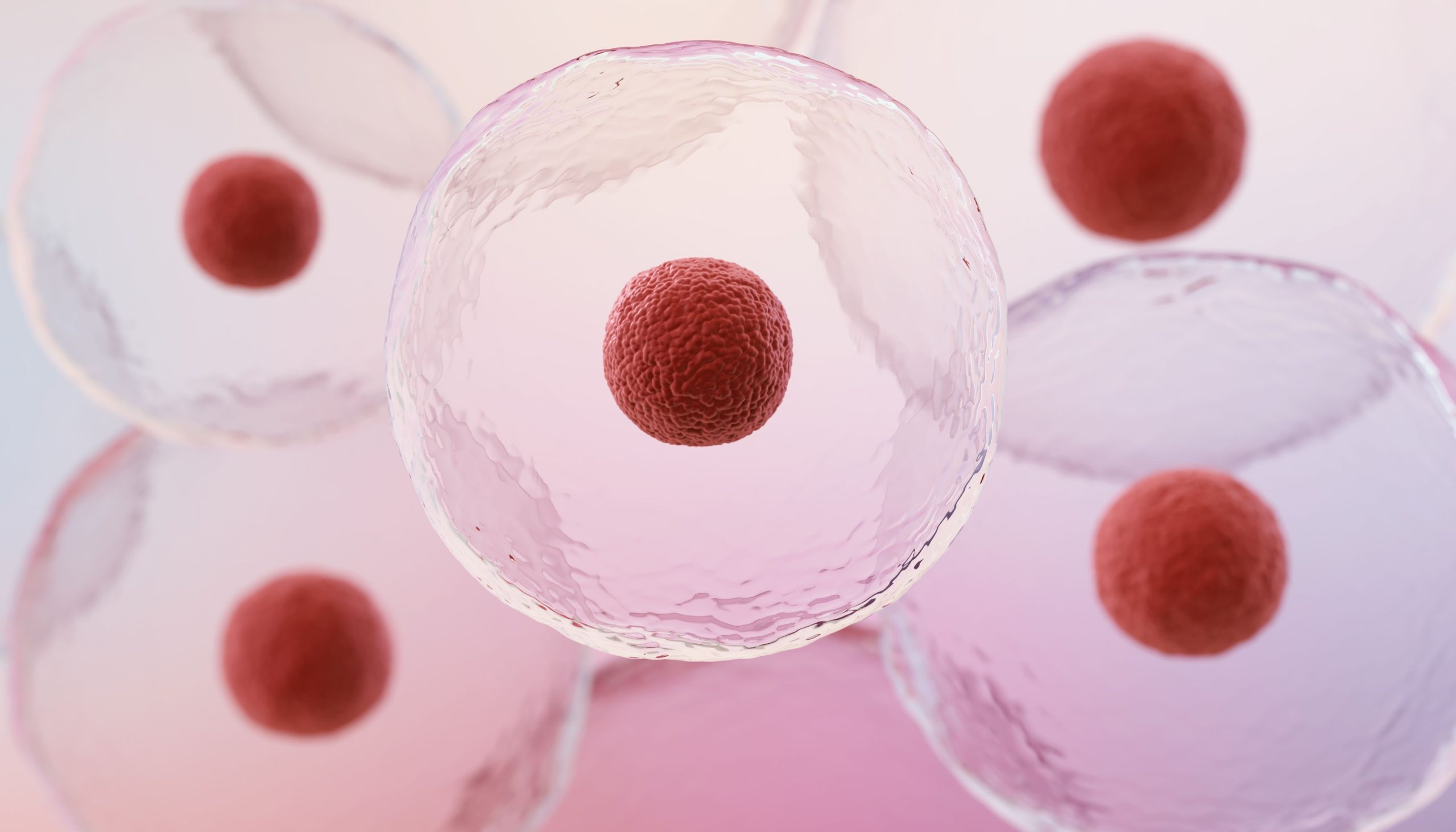
Primary cells and immortalized cells are two distinct types of cells used in biological and biomedical research. Each type has its own advantages and limitations, depending on the research goals. Below is a comparison of primary cells and immortalized cells in various aspects, including their characteristics, advantages, and disadvantages.
Definition
Primary Cells
These are cells isolated directly from tissues or organisms (e.g., human, mouse) and cultured in vitro. Primary cells closely resemble the physiology and behavior of cells in vivo and retain the specific characteristics of the tissue or organ from which they are derived.
Immortalized Cells
Immortalized cells are cells that have been genetically modified (or have undergone spontaneous mutations) to proliferate indefinitely. They bypass normal cellular senescence, allowing for continuous cell division and long-term culture. Immortalization is typically achieved by introducing oncogenes, viral proteins (e.g., SV40 Large T antigen, HPV E6/E7), or by overexpressing hTERT (human telomerase reverse transcriptase).
Lifespan and Growth Characteristics
Primary Cells
Finite Lifespan: Primary cells have a limited proliferative capacity. They can only undergo a certain number of divisions before entering senescence, at which point they stop dividing.
Slower Growth: They tend to grow more slowly than immortalized cells because they reflect normal, differentiated behavior. They require optimized culture conditions to maintain their viability.
Morphological Stability: Primary cells generally maintain the morphology and functional characteristics of the tissue from which they were derived.
Immortalized Cells
Indefinite Lifespan: Immortalized cells can divide indefinitely and do not undergo senescence, making them ideal for long-term experiments.
Faster Growth: Immortalized cells typically grow faster than primary cells and can reach confluency more quickly in culture. They often require less specific conditions compared to primary cells.
Genetic Instability: Immortalized cells can accumulate mutations over time, which can lead to changes in cell behavior and phenotype.
Physiological Relevance
Primary Cells
High Physiological Relevance: Primary cells closely mimic the in vivo behavior, gene expression, and function of the tissue they were derived from. They are often more biologically relevant for studying physiological processes, drug effects, and disease mechanisms.
Natural Gene Expression: Gene expression in primary cells reflects their natural environment, making them more suitable for studying gene regulation, signaling pathways, and responses to stimuli.
Immortalized Cells
Reduced Physiological Relevance: Immortalized cells often differ from their original tissue in terms of gene expression and behavior due to the genetic modifications used to bypass senescence. This makes them less reflective of in vivo conditions.
Altered Phenotype: Some immortalized cells may lose key functional properties of the original cell type, particularly if they accumulate genetic changes over time.
Experimental Use and Applications
Primary Cells
Drug Testing and Toxicology: Primary cells are used in preclinical testing to assess the efficacy and toxicity of drugs, as they provide a more accurate reflection of how human tissues may respond.
Disease Modeling: They are often used for studying specific disease mechanisms in a more physiologically relevant setting, such as cancer, cardiovascular diseases, and neurodegenerative disorders.
Personalized Medicine: Primary cells can be derived from patients, enabling personalized approaches to study disease progression and drug responses in the context of the patient’s own genetic background.
Immortalized Cells
High-Throughput Screening: Immortalized cells are widely used in high-throughput drug screening and biotechnology applications due to their rapid growth and ease of culture. They are used in large-scale assays to identify potential therapeutic targets.
Gene Editing and Transfection: These cells are easier to genetically manipulate (e.g., via CRISPR/Cas9 or plasmid transfection), making them useful for studies involving gene function, protein production, and pathway analysis.
Long-Term Experiments: Due to their indefinite lifespan, immortalized cells are ideal for experiments requiring long-term cell culture, such as cancer research and cell signaling studies.
Advantages and Disadvantages
Primary Cells
Advantages
More Physiologically Relevant: They maintain the characteristics and function of the tissue they are derived from.
Accurate Disease Models: They are more likely to represent the natural cellular environment, making them useful for disease modeling and testing.
Diverse Applications: Primary cells from various tissues (e.g., neurons, hepatocytes, fibroblasts) can be used to study tissue-specific functions.
Disadvantages
Limited Lifespan: Cells undergo senescence after a finite number of divisions, limiting their long-term use.
Difficult to Culture: Primary cells often require optimized and complex culture conditions. They are more sensitive to environmental changes and may need special growth factors and media.
Heterogeneity: Primary cells from different individuals may behave differently due to genetic variability, making reproducibility a challenge in some cases.
Immortalized Cells
Advantages
Unlimited Proliferation: They can be cultured indefinitely, which is advantageous for long-term experiments and large-scale studies.
Easier to Culture: Immortalized cells generally require less stringent growth conditions and are less sensitive to culture changes.
Genetic Manipulation: They are easier to transfect or genetically manipulate, making them valuable for research into gene function and protein production.
Reproducibility: Because immortalized cell lines are clonal and can be easily shared between labs, they offer more experimental consistency and reproducibility.
Disadvantages
Reduced Physiological Relevance: Genetic modifications can lead to changes in cell behavior, reducing their ability to mimic in vivo conditions.
Accumulation of Mutations: Immortalized cells may acquire mutations over time, potentially leading to altered cell function, and even transformation into cancer-like cells.
Altered Functionality: Some immortalized cells may lose differentiation potential or other specific functions, making them less suitable for certain studies.
Examples
Primary Cells
Human Dermal Fibroblasts (HDFs): Used for studying wound healing, fibrosis, and aging.
Primary Neurons: Used in neuroscience research to study neurodegenerative diseases and neural signaling.
Primary Hepatocytes: Utilized in drug metabolism and toxicology studies.
Immortalized Cells
HEK 293T (Human Embryonic Kidney): Widely used for protein production and gene editing studies.
HeLa Cells: One of the oldest and most widely used cancer cell lines, used in cancer biology and virology research.
MCF-7 (Breast Cancer Cells): Used to study breast cancer mechanisms and drug responses.
Summary of Primary vs. Immortalized Cells
| Feature | Primary Cells | Immortalized Cells |
| Lifespan | Finite, limited by senescence | Infinite, can divide indefinitely |
| Physiological Relevance | High, closely mimic in vivo cells | Lower, may differ from in vivo |
| Growth Rate | Slow | Fast |
| Ease of Culture | More difficult, specialized media | Easier, less stringent conditions |
| Reproducibility | Variable due to donor differences | High due to clonal populations |
| Genetic Stability | Stable but prone to senescence | Prone to genetic changes over time |
| Applications | Drug testing, disease modeling | High-throughput screening, gene editing |
| Example | Primary hepatocytes, neurons | HEK 293T, HeLa cells |
Both primary and immortalized cells have distinct advantages and limitations, and the choice between them depends on the specific requirements of the experiment. Primary cells are preferable for experiments that require physiological relevance, while immortalized cells are better suited for experiments that require long-term culture, reproducibility, and ease of manipulation.