
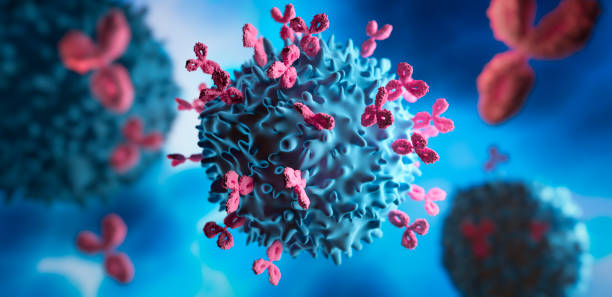
Peptide display libraries are powerful tools used in molecular biology, biochemistry, and drug discovery to identify peptides with specific binding affinities to a target molecule, such as a protein, nucleic acid, or small molecule. These libraries consist of vast collections of peptide sequences displayed on the surface of various platforms, allowing for high-throughput screening and selection of peptides with desired properties.
Key Concepts and Platforms
Peptide Library
A collection of numerous peptide sequences, typically varying in length from 7 to 20 amino acids, generated through combinatorial synthesis. These libraries can contain billions of unique peptides.
Display Platforms
Phage Display: The most common platform, where peptides are fused to the coat proteins of bacteriophages (such as M13 or T7). The phage displays the peptide on its surface, while the DNA encoding the peptide is contained within the phage, linking genotype and phenotype.
Yeast Display: Peptides are fused to surface proteins of yeast cells, enabling flow cytometry-based selection.
Ribosome Display: In vitro translation system where peptides are linked to their encoding mRNA via the ribosome, facilitating direct selection of peptides without the need for a living host.
mRNA Display: Peptides are covalently linked to their encoding mRNA, enabling in vitro selection processes similar to ribosome display.
Cell Surface Display: Peptides are displayed on the surface of bacteria or mammalian cells, allowing for screening in more physiologically relevant environments.

Applications of Peptide Display Libraries
Drug Discovery
Identification of peptide-based drugs that can bind to and inhibit specific protein targets, leading to the development of therapeutic agents.
Epitope Mapping
Determining the specific amino acid sequences recognized by antibodies or other binding proteins, useful in vaccine development and antibody engineering.
Protein-Protein Interaction Studies
Discovering peptides that can disrupt or mimic protein-protein interactions, providing insights into cellular pathways and potential therapeutic targets.
Biosensor Development
Creation of peptides that bind to specific molecules, which can be used in biosensors for detecting the presence of pathogens, toxins, or other analytes.
Biomarker Discovery
Identifying peptides that selectively bind to biomarkers associated with diseases, aiding in diagnostics and personalized medicine.
Selection and Screening Process
- Library Construction
A large and diverse library is synthesized, where each peptide sequence is encoded by its corresponding DNA or RNA sequence.
- Binding and Washing:
The library is exposed to the target molecule, allowing peptides with affinity to bind. Non-binding peptides are washed away.
- Elution:
Bound peptides are eluted, often by changing pH or ionic strength, or by using a competitor molecule.
- Amplification:
The eluted peptides (or their encoding DNA/RNA) are amplified, typically by PCR or bacterial infection (in the case of phage display).
- Iteration:
The process is repeated several times (iterative rounds of selection) to enrich the pool of peptides with high affinity for the target.
- Sequencing and Analysis:
The final pool of selected peptides is sequenced, and bioinformatic analysis is performed to identify the most promising candidates.
Advantages and Challenges
Advantages
High-throughput screening capability.
Versatility in target molecules (proteins, nucleic acids, small molecules).
Direct linkage between genotype and phenotype allows for rapid identification of binding peptides.
Challenges
Selection bias can occur, where certain sequences are overrepresented due to library construction methods.
Peptide stability and functionality in vivo may differ from in vitro conditions.
The need for extensive validation of identified peptides in downstream applications.
Conclusion
Peptide display libraries are invaluable in identifying peptide sequences with high specificity and affinity for a variety of targets, playing a crucial role in drug discovery, diagnostics, and molecular biology research. With ongoing advancements in display technologies and bioinformatics, peptide display libraries will continue to be a cornerstone in the development of novel therapeutic agents and diagnostic tools.