
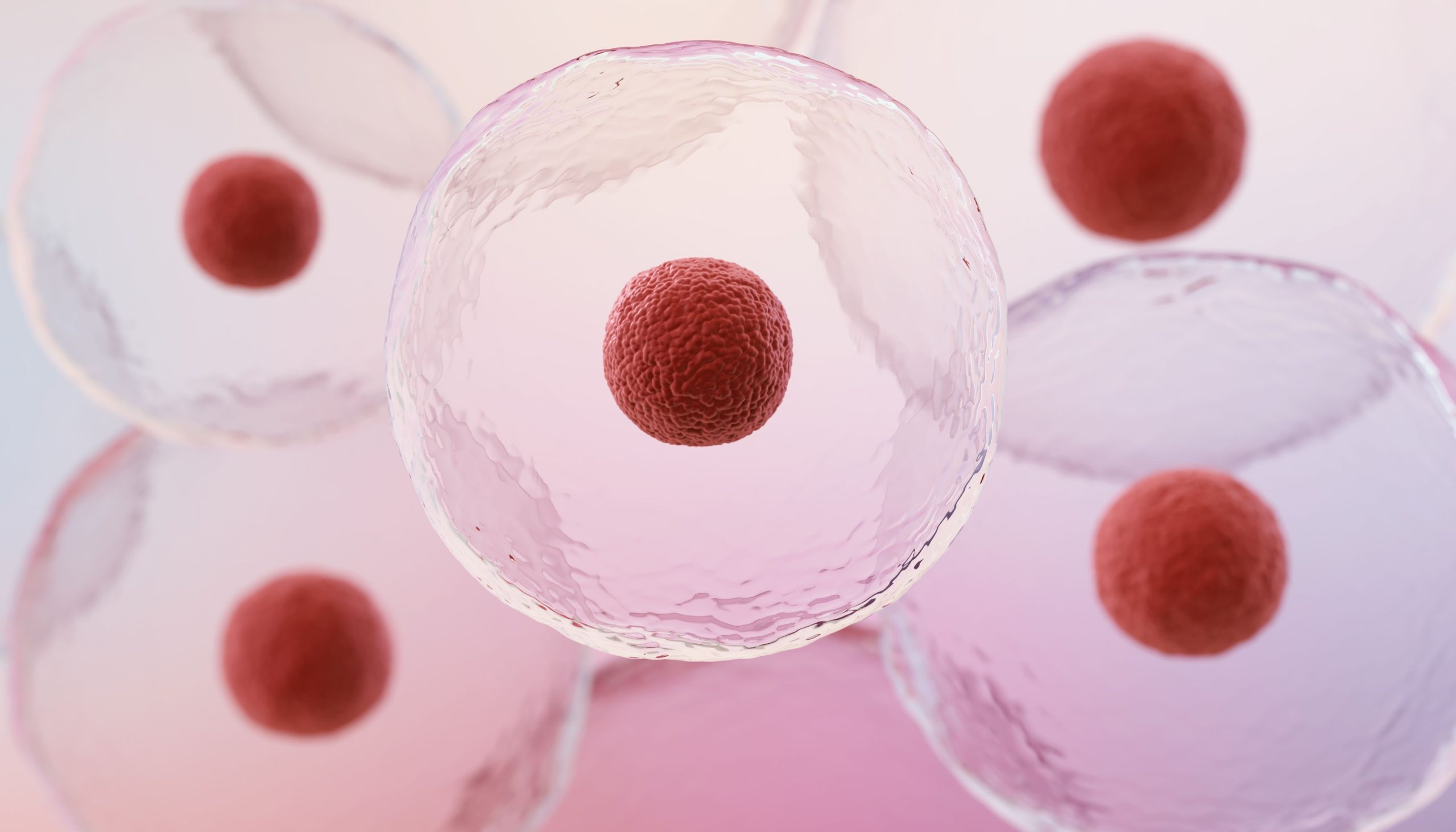
Immortalization of macrophages is particularly challenging due to their terminally differentiated state and specialized immune functions. However, several methods have been developed to immortalize macrophages to allow their long-term culture and use in research. Immortalized macrophage cell lines provide a valuable tool for studying immune responses, pathogen interactions, and inflammatory processes, offering a consistent and reproducible model for experiments.
Methods of Macrophage Immortalization
SV40 Large T Antigen
Mechanism
SV40 large T antigen immortalizes macrophages by inactivating the tumor suppressor proteins p53 and pRb, which normally regulate cell cycle progression and apoptosis. By inhibiting these proteins, SV40 large T antigen allows macrophages to bypass senescence and proliferate indefinitely.
Examples
J774A.1: A mouse macrophage cell line derived from a reticulum cell sarcoma that has been immortalized using SV40 large T antigen. J774A.1 cells are commonly used for studying phagocytosis, cytokine production, and macrophage responses to pathogens.
RAW 264.7: Although not directly immortalized by SV40, this mouse macrophage-like cell line is widely used in immune research, especially for studying macrophage activation, cytokine production, and inflammatory responses.
v-myc/v-raf Oncogenes (Bone Marrow-Derived Macrophages Immortalization)
Mechanism: The v-myc and v-raf oncogenes are used to immortalize bone marrow-derived macrophages (BMDMs). The v-myc oncogene promotes cell proliferation, while v-raf provides additional signaling to prevent apoptosis. Together, these oncogenes allow macrophages to proliferate while maintaining many of their functional characteristics.
Examples
Bac1.2F5: A murine macrophage cell line immortalized using v-myc and v-raf oncogenes. These cells retain many functional properties of primary macrophages, including the ability to produce cytokines, phagocytose, and respond to pathogens.
MPI Cells: These are murine bone marrow-derived macrophages immortalized using a combination of v-myc and v-raf oncogenes. MPI cells are used for studies on macrophage differentiation and function.
Human Telomerase Reverse Transcriptase (hTERT)
Mechanism
Overexpression of hTERT in macrophages prevents telomere shortening, a key mechanism of cellular aging. By maintaining telomere length, hTERT immortalization enables macrophages to bypass senescence and continue dividing.
Advantages
This method is less likely to induce genetic instability compared to viral oncogenes or antigens, and cells typically retain more of their normal physiological functions.
Challenges
Macrophages are terminally differentiated cells, which makes this method more challenging and less commonly used than in other cell types. However, it has potential for extending the life span of macrophage precursor cells (e.g., monocytes).
Retroviral Transduction with Oncogenes (e.g., c-myc, raf/ER, etc.)
Mechanism
Retroviruses can be used to introduce oncogenes such as c-myc, which promotes cell proliferation, and an estrogen receptor-regulated form of the raf oncogene (raf/ER). This method can be applied to macrophage precursor cells, such as monocytes, to allow continuous proliferation while preserving differentiation capacity.
Examples
THP-1: A human monocytic cell line derived from a leukemia patient. THP-1 cells can be differentiated into macrophage-like cells using phorbol 12-myristate 13-acetate (PMA). While THP-1 cells are not immortalized by c-myc or raf, they serve as an important model for studying human macrophage differentiation and function.
U937: A human monocyte-like cell line derived from histiocytic lymphoma. U937 cells can also be differentiated into macrophage-like cells and are used extensively in immunology research.
CRISPR/Cas9-Mediated Knockout of Tumor Suppressor Genes
Mechanism
CRISPR/Cas9 gene-editing technology can be used to knock out tumor suppressor genes, such as p53 or p16, allowing macrophages or their precursors to bypass normal cellular senescence. This technique is still under development for macrophage immortalization, but it holds promise for creating macrophage cell lines with specific genetic modifications.
Advantages
Allows for precise gene editing and control over the immortalization process.
Challenges
This method is technically complex and may not always result in functional macrophage-like cells, as macrophages are terminally differentiated.
Conditional Immortalization Using Temperature-Sensitive SV40 T Antigen
Mechanism
In this approach, macrophages are immortalized using a temperature-sensitive variant of SV40 large T antigen. The cells proliferate at the permissive temperature (33°C), but they can revert to a more differentiated and functional state when shifted to the non-permissive temperature (37°C). This allows researchers to maintain immortalized cells that can still differentiate and function under certain conditions.
Examples
Immortalized Bone Marrow-Derived Macrophages (iBMDM): These are murine macrophage precursors immortalized with a temperature-sensitive SV40 T antigen. They proliferate at lower temperatures and differentiate into macrophage-like cells at physiological temperatures.
Key Considerations for Macrophage Immortalization
Retention of Functionality
Immortalized macrophages must retain critical macrophage functions, such as phagocytosis, cytokine production, and antigen presentation. Some immortalization techniques can alter cell behavior, so it is essential to validate that the cells still exhibit macrophage-like characteristics.
Genetic Stability
Some immortalization methods, particularly those involving viral oncogenes or SV40 large T antigen, may induce genetic instability or transformation, which can lead to unwanted changes in cell behavior over time. Researchers must regularly check for potential chromosomal alterations or mutations in immortalized macrophage lines.
Comparison to Primary Macrophages
While immortalized macrophage cell lines offer the advantage of unlimited proliferation, it is important to compare the behavior and responses of immortalized lines to primary macrophages to ensure the validity of experimental findings.
Species Specificity
Many immortalized macrophage cell lines (e.g., RAW 264.7, J774A.1) are derived from mice. While these lines are valuable for many studies, researchers must be cautious when extrapolating findings to human biology, as there can be differences between human and murine macrophages.
Applications of Immortalized Macrophage Cell Lines
Immunology Research: Studying immune responses, cytokine production, and interactions with pathogens such as bacteria, viruses, and fungi.
Inflammation Studies: Investigating the role of macrophages in chronic inflammatory conditions, such as rheumatoid arthritis, atherosclerosis, and obesity.
Drug Screening: Testing the effects of immunomodulatory drugs, anti-inflammatory agents, and antimicrobial compounds on macrophage function.
Cancer Research: Studying the role of macrophages in tumor microenvironments and their contribution to cancer progression and metastasis.
Host-Pathogen Interactions: Exploring how macrophages recognize, engulf, and destroy pathogens, and how pathogens evade the immune response.
In conclusion, immortalized macrophage cell lines are invaluable tools for studying macrophage biology in a controlled and reproducible manner. Several methods, such as SV40 large T antigen, oncogene expression, and temperature-sensitive variants, allow for the creation of cell lines that can proliferate indefinitely while retaining many functional properties of primary macrophages. These immortalized cell lines are essential for advancing our understanding of immune responses, inflammatory processes, and macrophage-related diseases.