
The production of monoclonal antibodies using hybridoma technology has advantages such as specificity, consistency, and unrestricted supply, and has a wide range of applications in disease prevention, treatment, and diagnosis. However, the production of monoclonal antibodies using hybridoma technology also has certain limitations. The species for which hybridoma technology is applicable are limited. Traditional hybridoma produces mouse-derived antibodies, which pose certain safety risks when used for human treatment; Secondly, due to the issue of fusion efficiency, it is easy to lose some diversity of B cells, which is not conducive to the discovery of new antibody drugs.
Challenges and Limitations
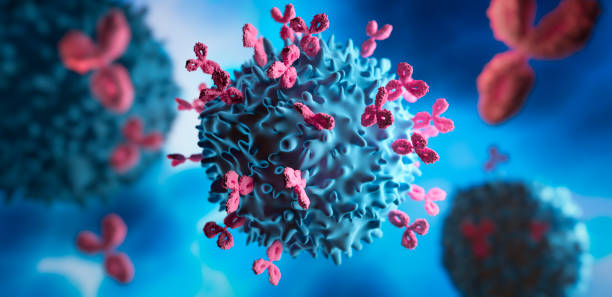
Immunogenicity
Murine-derived monoclonal antibodies can be recognized as foreign by the human immune system, leading to immune responses against the therapeutic antibodies. This issue has been addressed by creating chimeric, humanized, and fully human antibodies.
Production Complexity
The hybridoma technique involves complex steps that require precise conditions and expertise, making it a time-consuming and costly process.
Ethical Concerns
The use of animals in the immunization step raises ethical concerns. Efforts to develop alternative methods, such as phage display libraries and transgenic animals, are ongoing.
Measures for Improving Restrictions
The field is continually evolving with advancements aimed at improving the efficiency and applicability of monoclonal antibodies. Some of these advancements include:
Antibody Humanization
Techniques to humanize or fully humanize monoclonal antibodies to reduce immunogenicity in patients.
Bispecific Antibodies Production
Development of antibodies that can bind to two targets simultaneously, enhancing therapeutic efficacy.
Gene Editing Technology
CRISPR and other gene-editing tools are being explored to improve the production and functionality of hybridomas.
Recombinant Antibody Technology
Techniques such as phage display, and yeast display are used to produce monoclonal antibodies without the need for hybridoma technology.
Cell-Free Systems
Cell-free protein synthesis systems are being explored to produce antibodies in vitro without the need for living cells, potentially overcoming some of the scaling and ethical issues associated with hybridoma technology.
Hybridoma technology remains a cornerstone in the development of monoclonal antibodies, continually adapting and improving to meet the needs of modern medicine and biotechnology. The continuous advancement of biotechnology aims to address these challenges and provide more efficient and scalable solutions for antibody production.