
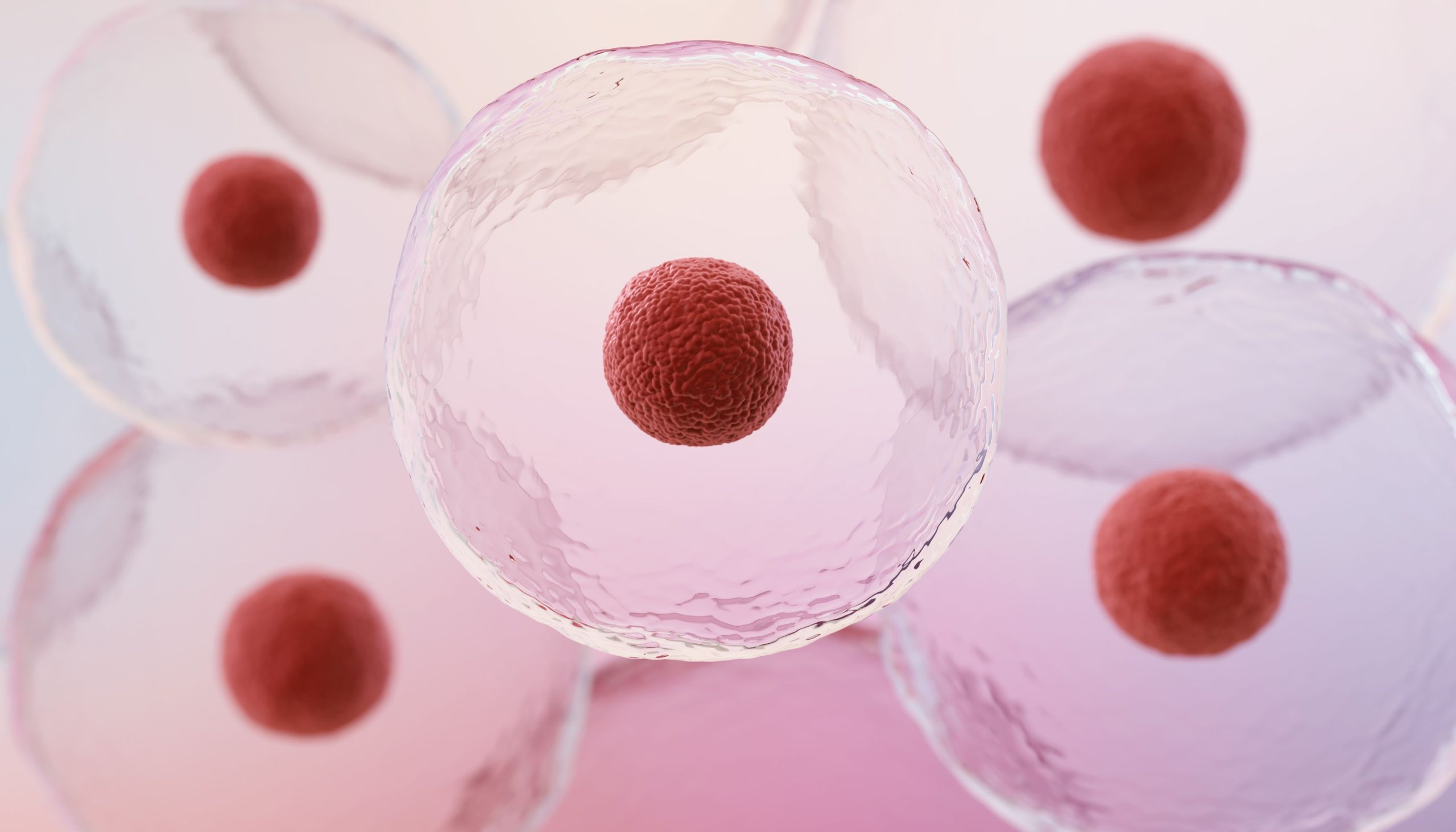
Fluorescence-activated cell sorting (FACS) is a powerful technique to separate and purify cell populations based on fluorescent labeling. This method uses flow cytometry to sort individual cells based on their specific surface markers, intracellular proteins, or other characteristics like size and granularity. Below is a general FACS sorting protocol that outlines the key steps involved in preparing cells, staining them with fluorescent markers, and sorting them using a flow cytometer equipped with sorting capabilities.
Materials
Cells of interest (e.g., primary cells or cell lines)
Fluorophore-conjugated antibodies (specific to the cell surface or intracellular markers)
Flow cytometry buffer (e.g., PBS with 1-2% FBS or BSA)
Cell strainer (40 µm)
Propidium iodide (PI) or 7-AAD for dead cell exclusion (optional)
DNAse I (optional, for single-cell suspension)
EDTA (optional, to prevent clumping)
Sorting flow cytometer (e.g., FACSAria, MoFlo)
Optional
Fixative (e.g., 1% paraformaldehyde) for intracellular staining
Perm/Wash buffer (e.g., saponin or Triton X-100) for intracellular staining
Blocking reagent (e.g., Fc receptor block, 10% normal serum)
Step-by-Step FACS Sorting Protocol
Prepare Single-Cell Suspension
Primary Cells: If using tissues, dissociate the tissue into a single-cell suspension using enzymatic digestion (e.g., collagenase for solid tissues) or mechanical disruption (e.g., mincing or using a tissue dissociator).
Cell Lines: For adherent cells, detach them using trypsin or an enzyme-free dissociation buffer. Collect cells in flow cytometry buffer (e.g., PBS with 1-2% FBS or BSA).
Filter the Cells: Pass the cell suspension through a 40 µm cell strainer to remove clumps and debris. This is critical to prevent clogging of the flow cytometer.
Optional: Add DNAse I (50-100 µg/mL) if working with tissues to prevent cell clumping caused by free DNA released from dead cells.
Optional: Add 2 mM EDTA to the flow buffer to reduce cell aggregation, particularly when working with sticky cells (e.g., immune cells).
Cell Counting and Viability Check
Count the Cells: Use a hemocytometer or automated cell counter to determine cell concentration.
Check Viability: Perform a viability check using Trypan blue, or for live/dead staining, use propidium iodide (PI) or 7-AAD for dead cell exclusion.
Block Non-Specific Binding (Optional)
Fc Receptor Block: If working with immune cells (e.g., from mouse spleen or blood), block Fc receptors to reduce non-specific binding of antibodies. Use Fc receptor blocking reagent or normal serum from the same species as the fluorophore-conjugated antibodies (e.g., mouse serum for mouse antibodies).
Stain Cells with Fluorophore-Conjugated Antibodies
Surface Markers
Add the fluorophore-conjugated antibodies (e.g., PE, FITC, APC, or BV421) specific to the surface markers of interest (e.g., CD4, CD8, CD19, etc.).
Antibody Concentration: Follow the manufacturer’s recommended concentration (typically 0.5-2 µg/1 million cells).
Incubate the cells with the antibodies on ice or at 4°C for 20-30 minutes in the dark (to protect fluorophores from light).
Wash: After incubation, wash the cells 2-3 times with flow cytometry buffer (PBS + 1-2% FBS/BSA) to remove unbound antibodies. Centrifuge at 300 x g for 5 minutes and discard the supernatant between washes.
Intracellular Staining (If Needed)
If sorting based on intracellular markers (e.g., transcription factors, cytokines), fix and permeabilize the cells after surface staining using a fixation/permeabilization kit or 1% paraformaldehyde and a permeabilization buffer (e.g., saponin or Triton X-100).
Add the fluorophore-conjugated antibody specific to the intracellular marker, and incubate for 30 minutes in the dark at 4°C.
Wash the cells 2-3 times with permeabilization buffer, followed by a wash with flow cytometry buffer.
Dead Cell Exclusion (Optional)
To exclude dead cells from the analysis, add a viability dye such as propidium iodide (PI), 7-AAD, or Zombie Aqua before sorting.
Incubate for 5-10 minutes at room temperature in the dark.
Prepare Cells for Sorting
Resuspend Cells: After the final wash, resuspend the cells in flow cytometry buffer at an appropriate concentration (typically 1 x 10⁶ cells/mL) for FACS sorting.
Filter Again: Pass the cell suspension through a 40 µm cell strainer again to ensure a single-cell suspension and prevent clogging during sorting.
Set Up the Flow Cytometer
Calibrate the Cytometer: Perform calibration using flow cytometry calibration beads or standard beads to set appropriate voltage and sensitivity for each fluorophore.
Gating: Define the gates based on negative controls and single-stained controls. Make sure to set up compensation controls if using multiple fluorophores to account for spectral overlap.
Live-Dead Gating: If a viability dye was used, gate out dead cells based on PI or 7-AAD staining to ensure that only live cells are sorted.
Doublet Discrimination: Use forward scatter (FSC) and side scatter (SSC) to exclude doublets and ensure the sorting of single cells.
Set Sort Criteria: Define sorting gates for the populations of interest based on fluorescence intensity.
Sort the Cells
Sorting Mode: Set the flow cytometer to the appropriate sorting mode (e.g., “Purity” mode for maximum purity, or “Yield” mode for higher numbers of sorted cells but lower purity).
Collect Sorted Cells: Sorted cells can be collected into collection tubes (e.g., 15 mL conical tubes or microtubes) containing collection medium (e.g., RPMI with 10% FBS or PBS with 1-2% BSA) to ensure cell viability after sorting.
Sort Rate: Adjust the sort rate based on the sample concentration and the required purity/yield. High sort rates can reduce purity, so aim for a reasonable balance between speed and purity.
Post-Sort Analysis and Recovery
Post-Sort Purity Check: After sorting, reanalyze a small sample of the sorted cells to confirm the purity of the sorted population.
Cell Recovery: If cells are intended for downstream applications (e.g., RNA extraction, culture, or functional assays), ensure they are placed in appropriate growth medium or lysis buffer immediately after sorting to preserve their viability and functionality.
Optional Steps
Intracellular Staining Controls: For intracellular targets, include unstained and isotype controls to confirm specific staining and rule out background signal.
Fixation of Sorted Cells: If cells need to be fixed post-sorting for downstream analysis (e.g., microscopy), use 1-4% paraformaldehyde to fix the cells.
Key Considerations
Cell Viability: Maintain the cells on ice during the staining and sorting procedures to prevent loss of viability, especially for delicate primary cells.
Fluorophore Selection: Choose fluorophores with minimal spectral overlap and ensure proper compensation controls are used to avoid incorrect gating.
Doublet Exclusion: Use both FSC and SSC to exclude cell doublets during sorting, as they can skew the results and reduce the purity of the sorted populations.
Sorting Pressure: Adjust the sorting pressure on the cytometer based on cell size to avoid damaging the cells.
Applications of FACS Sorting
Stem Cell Research: FACS sorting is used to isolate specific stem cell populations based on surface markers (e.g., CD34+ hematopoietic stem cells).
Immunology: It is used to sort specific immune cell populations (e.g., CD4+ or CD8+ T cells, B cells, dendritic cells) for downstream functional assays, such as cytokine production or proliferation.
Cancer Research: Tumor cells can be sorted based on markers like EpCAM or HER2 to study cancer progression or drug responses.
Single-Cell RNA Sequencing: FACS is often used to purify specific cell types before performing single-cell RNA sequencing for transcriptomic analysis.
FACS sorting is a powerful technique for isolating specific cell populations based on defined markers. By following this protocol, researchers can obtain highly pure and viable cell populations for downstream applications, including cell culture, molecular analysis, and functional assays.