

Peptide library screening is a powerful technique used in drug discovery, molecular biology, and protein engineering to identify peptides with specific binding affinities, enzymatic activities, or other desirable properties. This process involves creating a vast collection of diverse peptides and systematically testing them to find candidates that interact with a target molecule, such as a protein, nucleic acid, or small molecule.
Key Steps in Peptide Library Screening
Library Construction
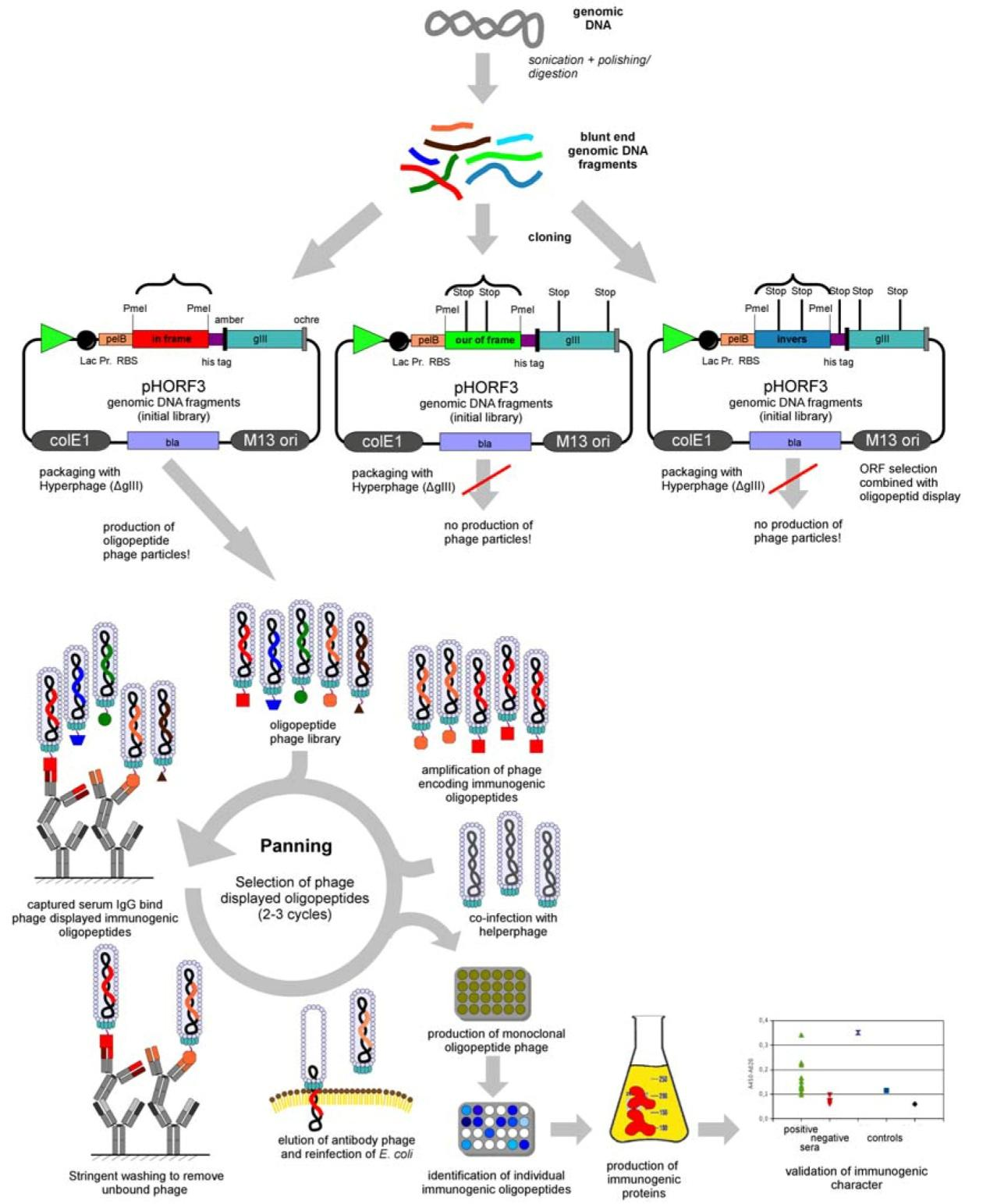
A peptide library is generated, typically through combinatorial synthesis, where a large number of peptides with varying sequences are created. These libraries can be displayed on various platforms such as bacteriophages (phage display), yeast cells (yeast display), ribosomes (ribosome display), or synthesized directly for screening in solution or on solid supports.
Target Preparation
The target molecule, which could be a protein, enzyme, receptor, or other biomolecule, is prepared and immobilized on a solid surface (e.g., beads, plates) or kept in solution depending on the screening method used.
Binding Assay
The peptide library is exposed to the target molecule. Peptides that have a high affinity for the target will bind to it, while non-binding or weakly binding peptides are washed away.
Selection of Binding Peptides
After incubation, the bound peptides are isolated from the unbound ones. This is typically done by washing the target-bound complexes, ensuring that only strong binders remain attached.
Elution of Bound Peptides
The bound peptides are then eluted from the target. This can be achieved through changes in pH, and ionic strength, or by competitive binding using a known ligand or antibody.
Amplification (if applicable)
In cases where the peptides are displayed on a platform like phages, yeast, or ribosomes, the eluted peptides can be amplified by infecting bacteria (for phages) or by PCR amplification of the encoding DNA/RNA sequences. This is essential for iterating the selection process.
Iteration
The process is repeated multiple times (iterative rounds) to enrich the library for peptides with the highest affinity and specificity for the target. Each round improves the quality of the binding peptides by removing non-binders and weak binders.
Screening and Sequencing
After several rounds of selection, the enriched peptide pool is sequenced to identify the peptide sequences that have a high affinity for the target. Modern sequencing techniques, such as next-generation sequencing (NGS), allow for rapid and comprehensive analysis of the selected peptides.
Validation and Characterization
The identified peptides are synthesized and subjected to further testing to confirm their binding affinity, specificity, and functional activity. This might include binding assays like surface plasmon resonance (SPR), enzyme-linked immunosorbent assays (ELISA), or functional assays in cell-based systems.
Applications of Peptide Library Screening
Drug Discovery
Identifying peptide inhibitors or agonists for therapeutic targets, leading to the development of peptide-based drugs.
Epitope Mapping
Determining the specific regions of antigens that are recognized by antibodies, aiding in vaccine development and immunodiagnostics.
Protein-Protein Interaction Studies
Discovering peptides that can disrupt or mimic protein-protein interactions, providing insights into cellular pathways and potential drug targets.
Biomarker Discovery
Identifying peptides that specifically bind to disease-associated biomarkers, is useful for diagnostics and therapeutic monitoring.
Biosensor Development
Creating peptides that can selectively bind to analytes, which can be used in biosensors for detecting pathogens, toxins, or other substances.
Challenges and Considerations
Library Diversity
Ensuring a sufficiently large and diverse library to cover a wide range of potential binding sequences.
False Positives
Non-specific binding can lead to false positives, which require additional validation steps to confirm true binders.
Peptide Stability
Peptides identified in screening may have stability issues in vivo, requiring modifications to improve their half-life and functionality.
Target Conformation
The conformation of the target molecule during screening should closely resemble its natural state to ensure the identified peptides are relevant in physiological conditions.
Conclusion
Peptide library screening is a crucial technique for discovering peptides with specific and high-affinity interactions for a variety of targets. Its applications span from drug discovery to biomarker identification, making it an indispensable tool in modern biomedical research. With advancements in screening technologies and bioinformatics, peptide library screening continues to contribute to the development of novel therapeutics and diagnostics.