
Introduction
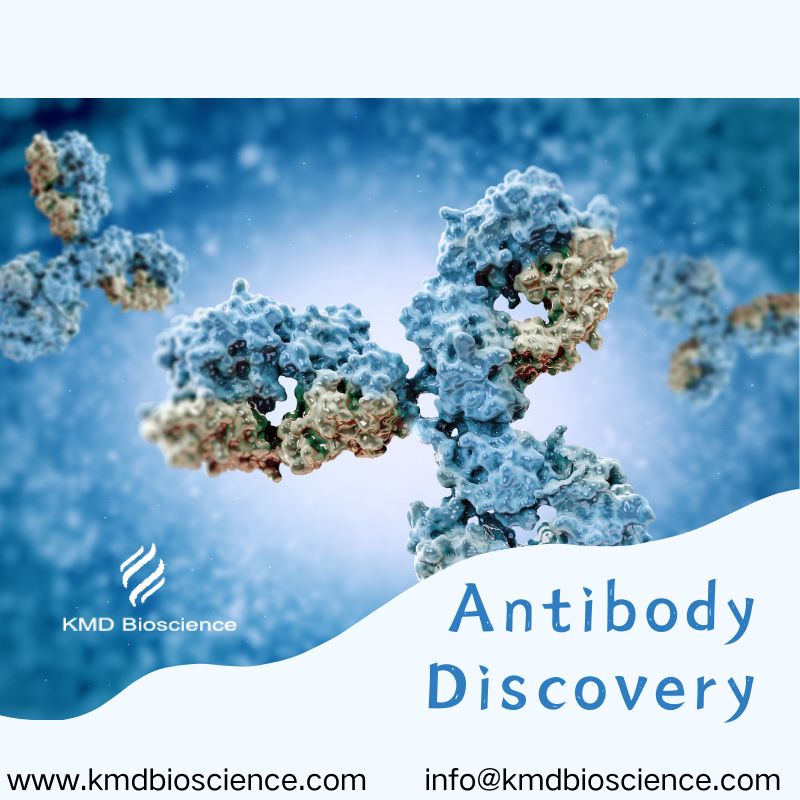
Antibody production is a fundamental process in immunology and biotechnology, essential for research, diagnostics, and therapeutic applications. Antibodies, or immunoglobulins, are proteins the immune system produces to identify and neutralize pathogens like bacteria and viruses. The production process involves several steps, from antigen selection to purification and characterization of the antibody.
Types of Antibodies
Polyclonal Antibodies (pAbs)
Source: Produced by different B cell lineages.
Characteristics: Recognize multiple epitopes on a single antigen.
Applications: Widely used in research for detecting proteins in various assays, including ELISA, Western blot, and immunohistochemistry.
Monoclonal Antibodies (mAbs)
Source: Produced by identical B cells cloned from a single parent cell.
Characteristics: Recognize a single epitope on an antigen.
Due to their specificity and consistency, applications are used in diagnostics, treatments, and research tools.
Antibody Production Process
Antigen Preparation
You can select an appropriate antigen to elicit an immune response. This can be a whole protein, peptide, or hapten conjugated to a larger carrier molecule.
Immunization
Polyclonal Antibodies
Animals such as rabbits, goats, or mice are immunized with the antigen. A series of booster injections are given to enhance the immune response. Blood is collected, and serum containing the antibodies is separated.
Monoclonal Antibodies
Mice or other host animals are immunized with the antigen. Spleen cells producing antibodies are harvested and fused with myeloma cells to create hybridomas. Hybridomas are screened to identify those producing the desired antibody.
Hybridoma Technology (for mAbs)
Fusion: Spleen cells from the immunized animal are fused with immortal myeloma cells.
Selection: Hybrid cells are selected and grown in a selective medium (HAT medium) to ensure that only fused cells survive.
Screening: Hybridomas are screened for antibody production, typically using ELISA or other binding assays.
Cloning: Positive hybridomas are cloned by limiting dilution to ensure monoclonality.
Antibody Purification
Polyclonal Antibodies
The serum is subjected to affinity chromatography using antigen-bound columns to isolate specific antibodies.
Monoclonal Antibodies
Supernatants from hybridoma cultures are collected. Antibodies are purified using Protein A or Protein G affinity chromatography.
Characterization
Specificity: Tested using Western blot, ELISA, or immunoprecipitation to confirm the antibody binds to the intended antigen.
Affinity: Determined by surface plasmon resonance (SPR) or other binding assays.
Isotyping: Identifying the antibody class (IgG, IgM, etc.) and subclass.
Applications of Antibodies
Research
Detection and quantification of proteins in various assays. Study of protein-protein interactions, cell signaling pathways, and cellular localization.
Diagnostics
Disease diagnosis through the detection of specific biomarkers. Use in assays like immunohistochemistry, flow cytometry, and ELISA.
Therapeutics
Treatment of diseases such as cancer, autoimmune disorders, and infectious diseases. Development of therapeutic monoclonal antibodies, such as checkpoint inhibitors in cancer therapy.
Industrial
Quality control and testing in biopharmaceutical manufacturing. Development of biosensors for detecting contaminants.
Conclusion
Antibody production is a critical technology in modern bioscience, enabling advances in research, diagnostics, and therapy. Understanding the intricacies of producing both polyclonal and monoclonal antibodies allows for their effective application across various fields, driving innovation and improving healthcare outcomes.