069 月/24

KMD Bioscience-Custom Peptide Library

A custom peptide library is a tailored collection of peptides designed and synthesized to meet specific research needs or experimental goals, unlike standard peptide libraries, which may be available off-the-shelf, custom peptide libraries are created based on the unique requirements of a particular project, allowing for greater flexibility and precision in scientific investigations.

Key Features of a Custom Peptide Library

Design Flexibility

Amino Acid Composition: You can choose the specific amino acids in each peptide, useful for focusing on certain properties like hydrophobicity, charge, or structural motifs.

Peptide Length: The length of the peptides can be customized, ranging from short sequences (e.g., 5-10 amino acids) to longer peptides (e.g., 20-30 amino acids or more).

Sequence Variations: Custom libraries allow for the introduction of specific mutations, truncations, or variations in the peptide sequences, which is critical for exploring structure-function relationships.

Diverse Library Formats

Linear Peptides: Straightforward sequences of amino acids, useful for basic binding studies and epitope mapping.

Cyclic Peptides: Peptides with covalent bonds form a cyclic structure, often used to improve stability, binding affinity, or resistance to proteolysis.

Modified Peptides: Incorporation of non-standard amino acids, post-translational modifications (like phosphorylation or glycosylation), or labels (such as fluorescent tags) to suit specific experimental needs.

Synthesis Methods

Solid-Phase Peptide Synthesis (SPPS): A common method for synthesizing custom peptides where peptides are built step-by-step on a solid resin. This allows for the production of large libraries with high purity.

Parallel Synthesis: Multiple peptides are synthesized simultaneously, allowing for the rapid creation of a diverse library.

Library Size

Small Libraries: Consisting of a few dozen to a few hundred peptides, ideal for focused studies.

Large Libraries: Containing thousands or even millions of peptides, useful for high-throughput screening applications.

Application-Specific Design

Epitope Mapping: Libraries can be designed to cover the entire sequence of a protein antigen, with overlapping peptides to map antibody binding sites.

Protein-Protein Interaction Studies: Libraries tailored to explore interactions between specific protein domains and their partners.

Drug Discovery: Custom libraries can be designed to identify peptide-based inhibitors or activators of target proteins.

Enzyme Substrate Profiling: Libraries can include a variety of sequences to determine enzyme specificity and kinetics.

Applications of Peptide Libraries

Antibody Development

Custom libraries can be used to identify peptide sequences that mimic the epitope of an antigen, aiding in the development of monoclonal antibodies.

Vaccine Design

Peptides representing different parts of a pathogen can be synthesized to identify immunogenic regions that can be used in vaccine development.

Mimotope Discovery

A custom peptide library can be used to identify mimotopes, peptides that mimic the structure of a specific epitope, which can be important in diagnostic or therapeutic applications.

Biomarker Discovery

Libraries designed with sequences from disease-associated proteins can be screened to discover potential biomarkers for diagnostics.

Enzyme Inhibition and Activation Studies

Custom libraries can be used to identify peptides that inhibit or activate specific enzymes, providing leads for drug development.

Functional Screening

Libraries can be screened to identify peptides that modulate the activity of proteins, receptors, or cellular pathways.

Advantages of Peptide Libraries

Tailored to Specific Needs: You can design the library to address specific research questions or to target particular protein interactions.

Increased Relevance: Custom libraries can be designed to closely mimic physiological conditions, increasing the likelihood of identifying biologically relevant peptides.

High-Throughput Screening: Even with a custom design, libraries can be made compatible with high-throughput screening techniques, accelerating the discovery process.

Precision in Experimentation: By designing peptides with specific properties, researchers can more precisely dissect the role of individual amino acids or motifs in a biological process.

 Challenges and Considerations

Cost: Custom peptide libraries can be expensive, especially when involving large numbers of peptides, non-standard amino acids, or complex modifications.

Synthesis Complexity: The more complex the library (e.g., incorporating cyclic peptides, and post-translational modifications), the more challenging and time-consuming the synthesis.

Biological Relevance: While synthetic peptides are useful, their behavior in vitro may not always reflect their behavior in vivo, especially if post-translational modifications or interactions with other cellular components are critical.

 Conclusion

Custom peptide libraries are powerful tools in modern biological research and drug discovery. Their flexibility allows scientists to design libraries that are highly specific to their research questions, leading to more targeted and meaningful experimental outcomes. Despite some challenges related to cost and complexity, the benefits of using custom-designed libraries, particularly in areas such as antibody development, enzyme studies, and vaccine design, are significant. These libraries continue to play a crucial role in advancing our understanding of protein interactions and in the development of new therapeutic strategies.
059 月/24

KMD Bioscience-Cyclic Peptide Libraries Overview

Cyclic peptide libraries are collections of peptides in which each peptide has a cyclic structure, rather than the linear structure typically found in conventional peptides. The cyclic nature of these peptides confers several advantages, particularly in terms of stability, binding affinity, and resistance to enzymatic degradation, making them valuable tools in drug discovery, molecular biology, and therapeutic development.

Overview of Cyclic Peptides

Cyclic peptides are peptides whose amino acid sequences are covalently bonded in a loop, forming a cyclic structure. The cyclization can occur through various chemical bonds, such as:

Peptide bond cyclization: The N-terminal amino group and the C-terminal carboxyl group of the peptide form a peptide bond, closing the chain into a ring.

Disulfide bond cyclization: Cysteine residues within the peptide form disulfide bridges, creating a loop.

Side-chain to side-chain or side-chain to backbone cyclization: Non-standard amino acids or modifications enable cyclization through covalent bonds between side chains or between a side chain and the peptide backbone.

 Cyclic Peptide Libraries Construction

Cyclic peptide libraries can be generated using various methods, depending on the type of cyclization and the specific application. Key approaches include:

Solid-Phase Peptide Synthesis (SPPS)

SPPS is a standard technique for synthesizing peptides on a solid support, allowing for systematic assembly of peptide chains. Cyclization can be achieved either on-resin (before cleavage from the solid support) or in solution after cleavage.

Libraries can be synthesized by varying the sequence and position of the cyclizing residues (e.g., cysteines for disulfide bonds).

Genetic Encoding and Display Technologies

Phage Display: Cyclic peptides can be generated by inserting sequences that contain cyclizing residues into phage display systems. The cyclization typically occurs after expression, facilitated by the cellular environment or through engineered systems.

mRNA Display: In this method, peptides are linked to their encoding mRNA, and cyclization can be engineered through specific sequences or post-translational modifications.

Chemical Cyclization

Peptides synthesized using SPPS or other methods can be cyclized chemically, typically in solution. Various chemical strategies are employed depending on the desired type of cyclization (e.g., click chemistry, thiol-ene reactions).

 Advantages of Cyclic Peptide Libraries

Increased Stability

The cyclic structure of these peptides makes them more resistant to proteolytic enzymes, increasing their stability in biological environments compared to linear peptides.

Enhanced Binding Affinity

The conformational constraint imposed by cyclization often results in higher binding affinity for target molecules, as the cyclic structure can more effectively mimic the natural binding motifs found in proteins.

Improved Selectivity

The rigid structure of cyclic peptides can lead to higher specificity for their targets, reducing off-target effects.

Cell Penetration

Some cyclic peptides, particularly those with amphipathic properties, have improved cell permeability, making them useful for intracellular targeting.

Structural Diversity

The ability to incorporate non-standard amino acids and chemical modifications into cyclic peptides allows for the exploration of a vast chemical space, enabling the discovery of novel ligands and inhibitors.

 Applications of Cyclic Peptide Libraries

Drug Discovery

Cyclic peptides are of particular interest in drug discovery due to their stability and high affinity. They are being explored as inhibitors of protein-protein interactions, which are often challenging targets for small molecules.

Cyclic peptide libraries can be screened against various targets, including enzymes, receptors, and protein-protein interfaces, to identify potential therapeutic candidates.

Molecular Probes

Cyclic peptides can be used as highly specific molecular probes for studying biological processes. Their stability and affinity make them ideal for imaging, diagnostics, and as tools in basic research.

Therapeutics

Beyond serving as drug leads, cyclic peptides themselves can be developed as therapeutic agents. Examples include antimicrobial peptides, cancer therapeutics, and modulators of immune responses.

Biosensors

Due to their high specificity and stability, cyclic peptides can be used in biosensors to detect specific biomolecules, pathogens, or environmental toxins.

Targeting and Delivery

Cyclic peptides can be designed to target specific cell types or tissues, making them useful for targeted drug delivery systems. Their ability to bind specific receptors or proteins on the cell surface can be exploited to enhance the delivery of therapeutic agents.

 Conclusion

Cyclic peptide libraries offer a powerful approach for discovering and developing new molecules with high specificity, stability, and affinity. Their unique structural features make them particularly suitable for applications in drug discovery, molecular biology, and therapeutic development. The ability to generate diverse libraries of cyclic peptides allows for the exploration of novel interactions and the identification of compounds with potential therapeutic benefits. Understanding the properties and applications of cyclic peptides is essential for advancing research in these areas and for the development of new technologies and treatments.

288 月/24

KMD Bioscience-Phage Display Peptide Library Overview

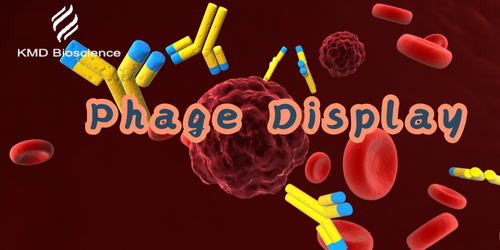
Phage display peptide library is a powerful and widely used technology in molecular biology and biotechnology for the identification and selection of peptides, proteins, and antibodies with high affinity and specificity for a particular target. The method leverages bacteriophages (viruses that infect bacteria) to display a vast diversity of peptides or protein fragments on their surfaces, which can then be screened against a target of interest.


Overview of Phage Display

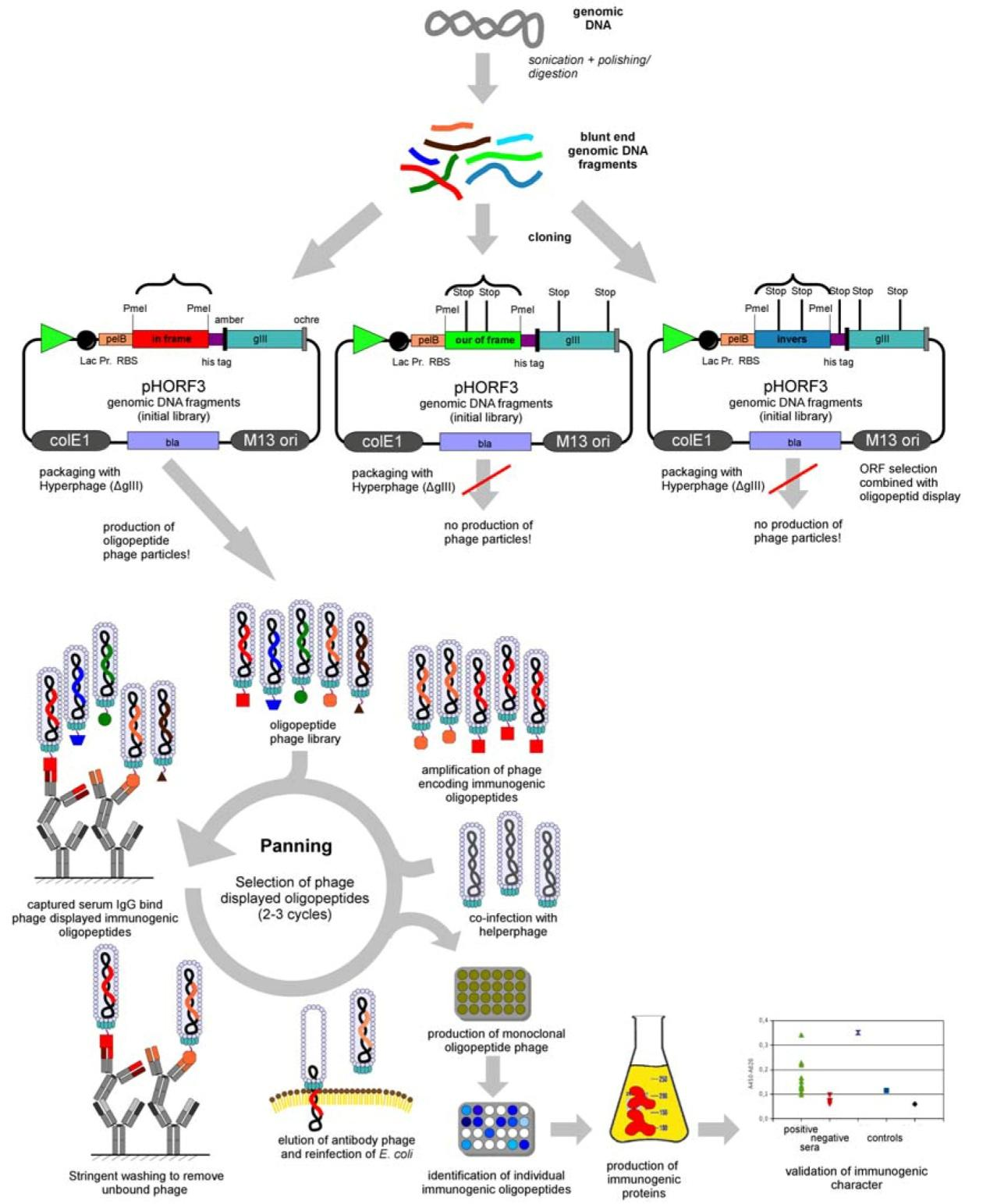
Phage display involves the insertion of a gene fragment encoding a peptide or protein of interest into the genome of a bacteriophage, typically within a gene that codes for one of the phage’s coat proteins. As the phage replicates, it expresses the inserted gene, and the resulting peptide is displayed on the surface of the phage particle, physically linked to the phage’s genetic material.


Steps Involved in Phage Display Peptide Library Construcation and Screening

Library Construction

A diverse library of DNA sequences, encoding various peptides or protein fragments, is generated. This library is inserted into the phage genome, usually in the gene encoding a coat protein such as pIII or pVIII in filamentous phages like M13.

The result is a population of phages, each displaying a different peptide on its surface, with the genetic information for that peptide encapsulated within the phage.

Screening (Biopanning)

The phage display library is exposed to a target of interest, such as a protein, cell, or even a small molecule.

Phages displaying peptides with affinity for the target bind to it, while non-binding phages are washed away.

The bound phages are then eluted, typically by changing the pH, and salt concentration, or using a competitive ligand, and are amplified in bacteria.

The process is repeated for several rounds to enrich the library for phages that display peptides with the highest affinity for the target.

Analysis and Identification

After several rounds of selection, the phages that bind strongly to the target are isolated, and the DNA encoding the displayed peptides is sequenced.

This sequence information can be used to synthesize the peptides or express them recombinantly for further characterization and functional studies.

Applications of Phage Display Peptide Libraries

Antibody Discovery and Engineering

Phage display is widely used to identify and optimize monoclonal antibodies with high specificity and affinity for antigens. This has led to the development of therapeutic antibodies for a range of diseases, including cancer and autoimmune disorders.

Drug Development

Peptides or small proteins that bind to specific targets, such as receptors or enzymes, can be identified using phage display. These peptides can serve as lead compounds in drug discovery or as tools for studying biological pathways.

Epitope Mapping

Phage display can be used to identify the specific regions (epitopes) of antigens that are recognized by antibodies. This is useful in vaccine development and in understanding immune responses.

Protein-Protein Interactions

By displaying fragments of proteins, phage display can be used to study protein-protein interactions, identifying binding partners for proteins of interest.

Biosensor Development

Peptides identified through phage display that bind to specific molecules can be used in biosensors for detecting pathogens, toxins, or other analytes.


 Advantages of Phage Display

Diversity: Phage display libraries can contain billions of different peptides or proteins, allowing for the screening of an extremely wide range of possible interactions.

Versatility: Phage display can be used to identify binders for a variety of targets, including proteins, small molecules, and even cells.

Affinity Maturation: The iterative process of selection allows for the enrichment and optimization of peptides with high affinity and specificity.

Direct Link Between Phenotype and Genotype: Since the peptide displayed on the phage surface is encoded by the DNA within the phage, positive hits can be directly sequenced and identified.

 Conclusion

Phage display peptide libraries are a powerful tool for the identification of peptides and proteins with high affinity for specific targets. This technology has revolutionized fields like antibody development, drug discovery, and molecular biology research by enabling the rapid screening and selection of molecules with desired binding properties. The ability to explore vast molecular diversity and directly link phenotype to genotype makes phage display an invaluable technique in modern biotechnology.

278 月/24

KMD Bioscience-Premade Peptide Library Screening

Premade peptide library screening involves using pre-synthesized collections of peptides, known as peptide libraries, to identify sequences that interact with specific biological targets. These libraries can contain thousands to millions of different peptides, each representing a unique sequence. This high-throughput screening method allows researchers to discover peptides that bind to target proteins, antibodies, receptors, or other molecules of interest.

What is a Peptide Library?

A peptide library is a large collection of peptides with different sequences. These libraries can be:

Linear Peptide Libraries: Composed of short, unbranched peptide chains. Each peptide represents a possible sequence that could interact with a target molecule.

Cyclic Peptide Libraries: Contain peptides that have been cyclized to constrain their structure, which often improves binding affinity and stability.

Modified Peptide Libraries: Include non-natural amino acids or chemical modifications to enhance peptide properties like stability, binding affinity, or resistance to degradation.

Types of Premade Peptide Libraries

Overlapping Peptide Libraries: These libraries are designed to cover the entire sequence of a protein, overlapping by a few amino acids. They are used to map epitopes or identify active sites within a protein.

Positional Scanning Peptide Libraries: Each position in the peptide sequence is systematically varied to determine the importance of each amino acid in binding interactions.

Combinatorial Peptide Libraries: Composed of all possible sequences within a defined length and set of amino acids, providing a comprehensive exploration of sequence space.

Focused Peptide Libraries: Contain sequences based on known motifs or biologically relevant sequences, focusing on specific regions of interest.


Steps in Premade Peptide Library Screening


  1. Selection of Library: Choose the appropriate premade peptide library based on the target and screening objectives (e.g., linear, cyclic, overlapping, or focused).
  2. Incubation with Target: The peptide library is exposed to the target molecule, such as a protein or antibody. This can be done in solution or on a solid support like a microarray or bead.
  3. Binding and Washing: After incubation, unbound peptides are washed away. The bound peptides, which have high affinity for the target, remain attached.
  4. Detection and Identification: Bound peptides are detected, often using labeled targets or secondary antibodies. The sequences of the peptides are identified using mass spectrometry, sequencing, or other analytical methods.
  5. Data Analysis: Analyze the binding data to identify sequences with strong interactions. These sequences may be further analyzed or modified to improve their properties.

 Applications of Premade Peptide Library Screening

Epitope Mapping: Identifying regions of antigens that are recognized by antibodies. This is crucial for vaccine development and understanding immune responses.

Drug Discovery: Screening peptide libraries to find inhibitors or activators of protein-protein interactions, enzymes, or receptor functions.

Protein-Protein Interaction Studies: Identifying peptides that can disrupt or mimic interactions between proteins, which is valuable in studying signaling pathways and cellular mechanisms.

Biomarker Discovery: Finding peptides that bind to disease-specific proteins, aiding in the development of diagnostic tools.

Therapeutic Peptide Development: Discovering peptides with high affinity and specificity for therapeutic targets, leading to the development of peptide-based drugs.

Advantages of Premade Peptide Library Screening

High Throughput: Allows rapid screening of thousands to millions of peptides simultaneously.

Cost-Effective: Premade libraries reduce the need for custom synthesis, saving time and resources.

Versatility: Applicable to a wide range of targets, including proteins, antibodies, enzymes, and receptors.

Speed: Accelerates the identification of potential therapeutic peptides or epitopes compared to traditional methods.

Conclusion

Premade peptide library screening is a powerful tool in modern molecular biology and drug discovery. It enables the identification of biologically active peptides with high efficiency and precision, providing valuable insights into protein function, disease mechanisms, and therapeutic potential. As technology advances, peptide library screening will continue to play a critical role in advancing our understanding of biology and improving human health.

238 月/24

KMD Bioscience-Peptide Library Screening: An Overview

Peptide library screening is a powerful technique used in drug discovery, molecular biology, and protein engineering to identify peptides with specific binding affinities, enzymatic activities, or other desirable properties. This process involves creating a vast collection of diverse peptides and systematically testing them to find candidates that interact with a target molecule, such as a protein, nucleic acid, or small molecule.

Key Steps in Peptide Library Screening

Library Construction

A peptide library is generated, typically through combinatorial synthesis, where a large number of peptides with varying sequences are created. These libraries can be displayed on various platforms such as bacteriophages (phage display), yeast cells (yeast display), ribosomes (ribosome display), or synthesized directly for screening in solution or on solid supports.

Target Preparation

The target molecule, which could be a protein, enzyme, receptor, or other biomolecule, is prepared and immobilized on a solid surface (e.g., beads, plates) or kept in solution depending on the screening method used.

Binding Assay

The peptide library is exposed to the target molecule. Peptides that have a high affinity for the target will bind to it, while non-binding or weakly binding peptides are washed away.

Selection of Binding Peptides

After incubation, the bound peptides are isolated from the unbound ones. This is typically done by washing the target-bound complexes, ensuring that only strong binders remain attached.

Elution of Bound Peptides

The bound peptides are then eluted from the target. This can be achieved through changes in pH, and ionic strength, or by competitive binding using a known ligand or antibody.

Amplification (if applicable)

In cases where the peptides are displayed on a platform like phages, yeast, or ribosomes, the eluted peptides can be amplified by infecting bacteria (for phages) or by PCR amplification of the encoding DNA/RNA sequences. This is essential for iterating the selection process.

Iteration

The process is repeated multiple times (iterative rounds) to enrich the library for peptides with the highest affinity and specificity for the target. Each round improves the quality of the binding peptides by removing non-binders and weak binders.

Screening and Sequencing

After several rounds of selection, the enriched peptide pool is sequenced to identify the peptide sequences that have a high affinity for the target. Modern sequencing techniques, such as next-generation sequencing (NGS), allow for rapid and comprehensive analysis of the selected peptides.

Validation and Characterization

The identified peptides are synthesized and subjected to further testing to confirm their binding affinity, specificity, and functional activity. This might include binding assays like surface plasmon resonance (SPR), enzyme-linked immunosorbent assays (ELISA), or functional assays in cell-based systems.

phage display

Applications of Peptide Library Screening

Drug Discovery

Identifying peptide inhibitors or agonists for therapeutic targets, leading to the development of peptide-based drugs.

Epitope Mapping

Determining the specific regions of antigens that are recognized by antibodies, aiding in vaccine development and immunodiagnostics.

Protein-Protein Interaction Studies

Discovering peptides that can disrupt or mimic protein-protein interactions, providing insights into cellular pathways and potential drug targets.

Biomarker Discovery

Identifying peptides that specifically bind to disease-associated biomarkers, is useful for diagnostics and therapeutic monitoring.

Biosensor Development

Creating peptides that can selectively bind to analytes, which can be used in biosensors for detecting pathogens, toxins, or other substances.

Challenges and Considerations

Library Diversity

Ensuring a sufficiently large and diverse library to cover a wide range of potential binding sequences.

False Positives

Non-specific binding can lead to false positives, which require additional validation steps to confirm true binders.

Peptide Stability

Peptides identified in screening may have stability issues in vivo, requiring modifications to improve their half-life and functionality.

Target Conformation

The conformation of the target molecule during screening should closely resemble its natural state to ensure the identified peptides are relevant in physiological conditions.

Conclusion

Peptide library screening is a crucial technique for discovering peptides with specific and high-affinity interactions for a variety of targets. Its applications span from drug discovery to biomarker identification, making it an indispensable tool in modern biomedical research. With advancements in screening technologies and bioinformatics, peptide library screening continues to contribute to the development of novel therapeutics and diagnostics.

228 月/24

KMD Bioscience-Peptide Display Library: An Overview

Peptide display libraries are powerful tools used in molecular biology, biochemistry, and drug discovery to identify peptides with specific binding affinities to a target molecule, such as a protein, nucleic acid, or small molecule. These libraries consist of vast collections of peptide sequences displayed on the surface of various platforms, allowing for high-throughput screening and selection of peptides with desired properties.

Key Concepts and Platforms

Peptide Library

A collection of numerous peptide sequences, typically varying in length from 7 to 20 amino acids, generated through combinatorial synthesis. These libraries can contain billions of unique peptides.

Display Platforms

 Phage Display: The most common platform, where peptides are fused to the coat proteins of bacteriophages (such as M13 or T7). The phage displays the peptide on its surface, while the DNA encoding the peptide is contained within the phage, linking genotype and phenotype.

Yeast Display: Peptides are fused to surface proteins of yeast cells, enabling flow cytometry-based selection.

Ribosome Display: In vitro translation system where peptides are linked to their encoding mRNA via the ribosome, facilitating direct selection of peptides without the need for a living host.

mRNA Display: Peptides are covalently linked to their encoding mRNA, enabling in vitro selection processes similar to ribosome display.

Cell Surface Display: Peptides are displayed on the surface of bacteria or mammalian cells, allowing for screening in more physiologically relevant environments.

Applications of Peptide Display Libraries

Drug Discovery

Identification of peptide-based drugs that can bind to and inhibit specific protein targets, leading to the development of therapeutic agents.

Epitope Mapping

Determining the specific amino acid sequences recognized by antibodies or other binding proteins, useful in vaccine development and antibody engineering.

Protein-Protein Interaction Studies

Discovering peptides that can disrupt or mimic protein-protein interactions, providing insights into cellular pathways and potential therapeutic targets.

Biosensor Development

Creation of peptides that bind to specific molecules, which can be used in biosensors for detecting the presence of pathogens, toxins, or other analytes.

Biomarker Discovery

Identifying peptides that selectively bind to biomarkers associated with diseases, aiding in diagnostics and personalized medicine.

Selection and Screening Process

  1. Library Construction

A large and diverse library is synthesized, where each peptide sequence is encoded by its corresponding DNA or RNA sequence.

  1. Binding and Washing:

The library is exposed to the target molecule, allowing peptides with affinity to bind. Non-binding peptides are washed away.

  1. Elution:

Bound peptides are eluted, often by changing pH or ionic strength, or by using a competitor molecule.

  1. Amplification:

The eluted peptides (or their encoding DNA/RNA) are amplified, typically by PCR or bacterial infection (in the case of phage display).

  1. Iteration:

The process is repeated several times (iterative rounds of selection) to enrich the pool of peptides with high affinity for the target.

  1. Sequencing and Analysis:

The final pool of selected peptides is sequenced, and bioinformatic analysis is performed to identify the most promising candidates.

Advantages and Challenges

Advantages

High-throughput screening capability.

Versatility in target molecules (proteins, nucleic acids, small molecules).

Direct linkage between genotype and phenotype allows for rapid identification of binding peptides.

Challenges

Selection bias can occur, where certain sequences are overrepresented due to library construction methods.

Peptide stability and functionality in vivo may differ from in vitro conditions.

The need for extensive validation of identified peptides in downstream applications.


Conclusion

Peptide display libraries are invaluable in identifying peptide sequences with high specificity and affinity for a variety of targets, playing a crucial role in drug discovery, diagnostics, and molecular biology research. With ongoing advancements in display technologies and bioinformatics, peptide display libraries will continue to be a cornerstone in the development of novel therapeutic agents and diagnostic tools.

218 月/24

KMD Bisocience-Liquid Phase Peptide Synthesis (LPPS)

Liquid Phase Peptide Synthesis (LPPS) is one of the traditional methods used for the chemical synthesis of peptides. Unlike Solid Phase Peptide Synthesis (SPPS), where the peptide is assembled on a solid support (resin), LPPS involves the synthesis of peptides entirely in solution. This method was historically significant in the early development of peptide chemistry and remains relevant for specific applications today.

Basic Principle

Stepwise Synthesis: Peptides are synthesized by sequentially coupling protected amino acids in solution. Each coupling reaction involves the activation of the carboxyl group of the incoming amino acid and the protection of reactive groups (such as the amino group) to prevent unwanted side reactions.

Protecting Groups: Protecting groups are used to block reactive sites on the amino acids during the coupling process. The most common protecting group for the amino group is the Boc (tert-butyloxycarbonyl) group, though others like Fmoc (fluorenylmethyloxycarbonyl) can also be used.

Deprotection and Coupling Cycles: After each coupling step, the protecting group is removed (deprotected), and the next amino acid in the sequence is coupled to the growing peptide chain.

Key Features

Sequential Coupling: Amino acids are sequentially added in solution to build the peptide chain.

Purification: Each intermediate product is purified before the next amino acid is added.

Protection Groups: Use of protective groups to prevent side reactions during synthesis.

Synthesis Steps

Preparation of the First Amino Acid: The first amino acid is prepared with its amino group protected and its carboxyl group activated for coupling.

Coupling: The activated carboxyl group of the first amino acid reacts with the amino group of the second amino acid (which is also protected). This forms a peptide bond.

Deprotection: The protecting group on the newly added amino acid is removed to expose the amino group for the next coupling.

Purification: Use techniques like crystallization or extraction to purify intermediates.

Repetition: The coupling-deprotection cycle is repeated for each subsequent amino acid until the desired peptide sequence is assembled.

Final Deprotection and Purification: Remove all protective groups and purify the final peptide.

Advantages of LPPS

Purity: LPPS often results in high-purity peptides because the process can be closely monitored, and purification steps can be applied at each stage of synthesis.

Flexibility: This method allows for greater control over the synthesis process, making it suitable for the preparation of complex peptides, including those with multiple disulfide bonds or modifications that might be challenging in SPPS.

Scalability: LPPS is particularly useful for the synthesis of large quantities of peptides, as the entire process occurs in solution, allowing for the reaction scale to be easily adjusted.

Challenges of LPPS

Labor-Intensive: The process of LPPS is more labor-intensive compared to SPPS, as it requires careful handling and multiple purification steps after each coupling reaction.

Yield and Efficiency: The overall yield of LPPS can be lower due to the loss of material during multiple purification steps. Additionally, side reactions may occur, particularly in longer peptide chains.

Time-Consuming: The stepwise nature of LPPS, with the need for purification after each coupling, makes it a time-consuming process, especially for longer peptides.

Limited to Short Peptides: Typically used for shorter peptides due to solubility and purification challenges.

Applications

Specialized Peptides: LPPS is often used for the synthesis of specialized peptides, such as those with non-standard amino acids, post-translational modifications, or those requiring specific disulfide bond arrangements.

Research and Development: LPPS remains an important method in peptide research, especially when high purity and precise control over the synthesis process are required.

Comparison with Solid Phase Peptide Synthesis (SPPS)

SPPS Advantages: SPPS is generally faster, more convenient, and better suited for automated processes, making it the preferred method for routine peptide synthesis, especially for shorter peptides.

LPPS Advantages: LPPS, on the other hand, offers advantages in the synthesis of longer, more complex peptides and allows for greater control over the chemistry involved, which can be critical in certain research and industrial applications.

Liquid Phase Peptide Synthesis (LPPS)

Advantages

Purity: High purity through purification of intermediates at each step.

Customization: Allows for the synthesis of complex or modified peptides.

Disadvantages

Labor-Intensive: More time-consuming due to the need for purification after each coupling step.

Scale: Generally less suitable for large-scale synthesis.

Peptide Length: Difficult to synthesize longer peptides due to solubility issues.

Process

Peptides are built in solution.

Requires protection and deprotection of functional groups.

Each intermediate is purified.

Solid Phase Peptide Synthesis (SPPS)

Advantages

Efficiency: Faster and more automated than LPPS.

Scale-Up: Easier to scale up for large quantities.

Length: More suitable for synthesizing longer peptides.

Disadvantages

Complex Modifications: More challenging to introduce complex modifications.

Purity: Final product may require extensive purification.

Process

Peptides are synthesized on a solid resin.

Excess reagents and by-products are washed away easily.

Protection and deprotection are standardized.

LPPS is ideal for short, highly pure, and complex peptides but is labor-intensive and less scalable. SPPS is suitable for longer peptides and large-scale production, offering efficiency and automation but may require extensive purification of the final product.

In summary, Liquid Phase Peptide Synthesis is a classical approach to peptide synthesis that, while less commonly used today compared to SPPS, still holds value in the synthesis of complex, high-purity peptides. Its detailed control over each step of the process makes it an important method in specific applications where precision and purity are paramount.


208 月/24

KMD Bioscience-Cyclic Peptide Library

A cyclic peptide library is a collection of peptides that have been chemically or biologically synthesized to form cyclic structures, where the amino acid sequences are linked end-to-end or through side chains to form a ring. Cyclic peptide libraries are collections of peptides with a circular structure, used for screening and identifying molecules with specific biological activities. These libraries are powerful tools in drug discovery, molecular biology, and biotechnology because cyclic peptides often exhibit enhanced stability, bioactivity, and binding affinity compared to their linear counterparts.

Structure of Cyclic Peptides

Cyclization: Peptides are cyclized through a peptide bond between the N-terminus and C-terminus or via side chains of amino acids (e.g., through disulfide bonds between cysteine residues or through lactam bridges).

Stability: The cyclic structure limits the conformational flexibility of the peptide, making it more resistant to proteolytic degradation and often enhancing its binding affinity and specificity.

Diversity: Cyclic peptides can be composed of natural amino acids, non-natural amino acids, or a combination of both, providing a vast diversity of structures and properties.

Binding Affinity: Cyclic Peptides often exhibit high affinity and specificity for targets due to their constrained structure.

Library Construction

Chemical Synthesis: Cyclic peptide libraries are often constructed using solid-phase peptide synthesis (SPPS), where peptides are synthesized on a resin and cyclized either on or off the resin.

Genetic Methods: Phage display or mRNA display can generate cyclic peptide libraries by incorporating specific codons for amino acids that can form cyclic bonds or by genetically encoding enzymes that promote cyclization.

Diversity Generation: Combinatorial chemistry allows the generation of large libraries with millions to billions of unique cyclic peptides by varying the amino acid sequences at multiple positions.

Phage Display: Displaying cyclic peptides on phage surfaces for screening.

Molecular Biology Techniques: Using genetic encoding methods to produce cyclic peptides in cells.

Phage Display Peptide Library Construction

Phage display techniques for cyclic peptide libraries involve presenting cyclic peptides on the surface of bacteriophages to screen for specific interactions.

Library Construction

Gene Encoding: Insert DNA sequences encoding cyclic peptides into a phage display vector.

Cyclization: Achieved through disulfide bonds or chemical linkers to create the cyclic structure.

Phage Display

Expression: Transform the phage with the vector, allowing peptides to be displayed on the phage coat proteins.

Diversity: Generate a large library with diverse cyclic peptides.

Selection (Panning)

Binding Assay: Expose the phage library to a target of interest (e.g., protein, receptor).

Washing: Remove non-binding phages, retaining those that display high-affinity peptides.

Elution: Recover bound phages for amplification.

Amplification

Infect Bacteria: Amplify selected phages in bacterial hosts.

Repeat: Perform multiple rounds of selection to enrich high-affinity binders.

Analysis

Sequencing: Identify the peptide sequences from selected phages.

Characterization: Test for binding affinity and specificity.

Applications

Drug Discovery: Cyclic peptides are explored as potential therapeutics due to their ability to target protein-protein interactions, enzymes, and receptors with high specificity and affinity. They are especially valuable in targeting intracellular proteins that are considered “undruggable” by small molecules. Potential candidates for developing new drugs with enhanced stability and efficacy.

Molecular Probes: Due to their stability and specificity, cyclic peptides are used as molecular probes to study biological processes, identify protein targets, and map protein interactions.

Target Identification: Screening cyclic peptide libraries against a target protein can help identify peptides that bind with high affinity, aiding in the discovery of novel drug candidates or biochemical tools.

Advantages of Cyclic Peptide Libraries

Enhanced Stability: The cyclic structure makes these peptides more resistant to proteolysis and increases their half-life in biological systems.

Improved Binding Affinity: Cyclization often constrains the peptide into a bioactive conformation, which can enhance its binding affinity and specificity for target molecules.

Cell Permeability: Some cyclic peptides are capable of crossing cell membranes, making them suitable for targeting intracellular proteins.

Structural Diversity: The ability to incorporate non-natural amino acids and various linkages allows for the creation of highly diverse libraries, increasing the likelihood of finding potent ligands.

Challenges

Synthesis Complexity: The chemical synthesis of cyclic peptides, particularly those with multiple disulfide bonds or non-standard amino acids, can be technically challenging and costly.

Screening and Selection: The identification of active compounds from large libraries requires efficient and high-throughput screening methods, which can be resource-intensive.


In summary, cyclic peptide libraries represent a versatile and powerful approach in the search for novel bioactive molecules. Their enhanced stability, structural diversity, and ability to modulate challenging targets make them an important tool in drug discovery and biotechnology.

178 月/24

KMD Bioscience-FDA Approved Bispecific Antibodies

As of the last update in August 2024, bispecific antibodies have become an exciting and evolving area in immunotherapy, particularly in cancer treatment. These antibodies are designed to engage two different targets simultaneously, which can enhance their effectiveness compared to traditional monoclonal antibodies.

Here are some FDA-approved bispecific antibodies:

Blinatumomab (Blincyto)

This was one of the first bispecific antibodies approved by the FDA. It targets CD19 and CD3, which helps redirect T cells to attack B-cell malignancies, such as acute lymphoblastic leukemia (ALL).

Mechanism: Engages T cells by binding to CD3 and brings them into proximity with CD19-expressing B cells, leading to B cell lysis.

DuoBody®-CD3xCD20 (Epkinly, also known as ABBV181)

This bispecific antibody targets both CD3 and CD20, intending to treat B-cell malignancies.

Catumaxomab (Removab)

This bispecific antibody targets EpCAM (epithelial cell adhesion molecule) and CD3. It was used for the treatment of malignant ascites, though its use has been somewhat limited.

Teprotumumab (Teprotumumab-trbw)

Targeting the insulin-like growth factor-1 receptor (IGF-1R), it’s used for treating thyroid eye disease.

Mosunetuzumab (Lunsumio)

This bispecific antibody targets CD20 and CD3 and is used for the treatment of certain types of non-Hodgkin lymphoma.

Itepekimab (also known as ABBV181)

Targeting IL-13 and IL-4, it’s being investigated for various conditions related to inflammation and fibrosis.

Emicizumab (Hemlibra)

Target: Factor IXa/X

Indication: Hemophilia A

Mechanism: Mimics factor VIII by bridging activated factor IX and factor X, promoting blood coagulation in hemophilia A patients.

Amivantamab (Rybrevant)

Target: EGFR/c-MET

Indication: Non-small cell lung cancer (NSCLC)

Mechanism: Targets and inhibits EGFR and c-MET pathways, leading to reduced tumor cell proliferation and survival.

Teclistamab (Tecvayli)

Target: BCMA/CD3

Indication: Multiple myeloma

Mechanism: Connects BCMA on multiple myeloma cells with CD3 on T cells, activating T-cell-mediated cytotoxicity against the myeloma cells.

The field of bispecific antibodies is growing rapidly, with new candidates continually undergoing clinical trials and gaining approvals.

168 月/24

KMD Bioscience-Difference between Monoclonal and Polyclonal Antibodies

Monoclonal and polyclonal antibodies are two distinct types used in research, diagnostics, and therapeutics. They differ in their production methods, specificity, and applications. Here’s a detailed comparison:

Monoclonal Antibodies

Production

Source: Derived from a single clone of B cells, which are hybridomas created by fusing an antibody-producing B cell with a myeloma (cancer) cell.

Process

Immunization: An animal (typically a mouse) is immunized with a specific antigen.

Fusion: Spleen cells (which produce antibodies) are fused with myeloma cells.

Selection: Hybridomas are selected for their ability to produce antibodies against the antigen.

Cloning: Single hybridoma clones are isolated and expanded.

Production: Large quantities of identical (monoclonal) antibodies are produced from these clones.

Characteristics

Specificity: Monoclonal antibodies are highly specific and recognize a single epitope on an antigen.

Consistency: Each batch of monoclonal antibodies is identical, as they are produced from the same hybridoma clone.

Purity: Generally highly pure and homogeneous, reducing background noise in assays.

Applications

Research: Useful for studying specific molecules or pathways.

Diagnostics: Employed in ELISA, Western blotting, and immunohistochemistry assays.

Therapeutics: Used in targeted therapies, such as in cancer treatment (e.g., trastuzumab for HER2-positive breast cancer).

Polyclonal Antibodies

Production

Source: Derived from the serum of immunized animals (e.g., rabbits, goats) where multiple B cell clones are activated.

Process

Immunization: An animal is immunized with an antigen (or its derivatives).

Harvesting: After an immune response is generated, blood is collected from the animal.

Serum Extraction: Antibodies are purified from the serum of the immunized animal.

Characteristics

Specificity: Polyclonal antibodies recognize multiple epitopes on the same antigen, which can increase their overall binding capacity.

Variability: Each batch can differ slightly in antibody composition because they are derived from different B cell clones.

Purity: Often less pure than monoclonal antibodies, containing a mix of antibodies with different specificities.

Applications

Research: Useful for detecting proteins that may have multiple epitopes, offering a broader range of recognition.

Diagnostics: Employed in assays where multiple epitopes on the target antigen are beneficial for detection.

Therapeutics: Less commonly used in therapeutics but can be used in some treatments and for passive immunization.

Key Differences

Specificity

Monoclonal antibody: Single specific epitope.

Polyclonal antibody: Multiple epitopes on the same antigen.

Production Consistency

Monoclonal antibody: Consistent and reproducible.

Polyclonal antibody: Variable between batches.

Purity

Monoclonal antibody: Generally higher and more homogeneous.

Polyclonal antibody: This can include a mixture of antibodies.

Applications

Monoclonal antibody: Ideal for specific, targeted applications.

Polyclonal antibody: Useful for detecting multiple epitopes or when a broader reactivity is needed.

Note: How do polyclonal antibodies perform in diagnostic tests compared to monoclonal antibodies?

Polyclonal and monoclonal antibodies each have strengths and weaknesses in diagnostic tests:


Polyclonal Antibodies

Sensitivity: Often more sensitive due to binding multiple epitopes.

Cross-Reactivity: Higher potential for cross-reactivity, which can lead to false positives.

Batch Variability: Greater variability between batches, affecting reproducibility.

Monoclonal Antibodies

Specificity: Highly specific to a single epitope, reducing the risk of cross-reactivity.

Reproducibility: Consistent results across batches, enhancing reliability.

Customization: This can be tailored for specific targets, improving test accuracy.

Summary

Polyclonal antibodies: Better for detecting low-abundance targets due to higher sensitivity, but may require additional validation to address cross-reactivity.

Monoclonal antibodies: Preferred for high specificity and consistency, crucial for precise diagnostics.

Overall, the choice between polyclonal and monoclonal antibodies depends on the specific requirements of the diagnostic test.

Summary

Monoclonal antibodies offer high specificity and consistency, making them ideal for precise research and therapeutic applications. Polyclonal antibodies, while less specific and variable, are valuable when detecting multiple epitopes or when a broader immune response is beneficial. The choice between monoclonal and polyclonal antibodies depends on the specific needs of the application, including the desired specificity, sensitivity, and reproducibility.