231 月/24

KMD Bioscience’s Premier Peptide Library Screening Service

In the frontier of biomedical research, peptides are the rising stars. These miniature marvels are finding their place in therapeutic developments, from vaccines to targeted treatments for a myriad of diseases. At KMD Bioscience, we’re propelling this revolution with our state-of-the-art Peptide Library Screening Service—a gateway to discovering the next generation of biomedical breakthroughs.

Innovation at the Heart of Discovery

Peptide libraries are invaluable tools for researchers aiming to pinpoint the peptide sequences that bind to biological targets with high specificity and affinity. Our service is designed to provide a comprehensive screening process that not only identifies these sequences but also offers insights into the functionality of peptides within biological systems.

Tailored Libraries for Bespoke Research Needs

Each research project is unique, and our peptide library screening is as varied as the scientific curiosity we cater to. Whether it’s linear or cyclic peptides, alanine scanning, truncation, or positional scanning libraries you need, KMD Bioscience offers a tailored approach. Our libraries are designed to help you explore the vast landscape of peptide interactions with unmatched precision.


Advanced Technology for Enhanced Outcomes

Leveraging cutting-edge technology, our screening service employs high-throughput methods to ensure that you get results quickly and accurately. Our advanced algorithms analyze peptide interactions at a granular level, providing you with data that is both comprehensive and actionable.

Expertise That Guides Success

Behind our technology is a team of experts, seasoned in the subtleties of peptide interactions and dedicated to your research success. Our scientists provide not just results but also the guidance to interpret them, helping you make informed decisions on the path to discovery.

Quality That You Can Trust

Quality is the cornerstone of our service. We adhere to stringent quality control measures at every step of the screening process, ensuring that the data you receive is of the highest fidelity. Trust in our service comes from our commitment to excellence and the consistent results we deliver to our clients.


Collaborative Approach to Problem-Solving

At KMD Bioscience, we believe in the power of collaboration. Our service is not just about screening peptides; it’s about joining forces with you to solve complex biological puzzles. We work alongside you, adapting our service to meet the evolving demands of your research.


Accelerating Pathways to Clinical Applications

The ultimate goal of peptide research is to benefit patients, and our screening service is designed with this end in mind. By expediting the discovery phase, we help accelerate the journey from the lab bench to clinical applications, bringing therapeutic innovations to the market faster.


Broad Applications for a Diverse Clientele

Our peptide library screening service is versatile, catering to clients across the biotechnology and pharmaceutical industries, as well as academic and government research institutions. Whether it’s vaccine development, drug discovery, or basic research, our service is engineered to support your endeavors.


Join the Vanguard of Peptide Research

Embrace the full potential of peptide library screening with KMD Bioscience. Partner with us and step into the vanguard of those leading the charge in peptide-based therapeutic research. Together, we can unlock the secrets of biological systems and pave the way for a healthier future.


Conclusion

With KMD Bioscience’s Peptide Library Screening Service, you’re not just accessing a resource; you’re unlocking a partnership that propels your research into new realms of possibility. We invite you to experience the precision, quality, and expertise that define our services and to make your mark in the exciting world of peptide therapeutics.

Discover the power of peptides with KMD Bioscience—where your research meets our innovation for extraordinary outcomes.


051 月/24

KMD Bioscience Reveals Reliable Antibody Validation Methods for You

In the sphere of life sciences, antibodies serve as indispensable tools, guiding researchers through the maze of cellular and molecular exploration. They act as molecular tags, highlighting specific proteins for detection or manipulation. However, the reliability of the data generated hinges significantly on the accuracy and specificity of these antibodies. Consequently, antibody validation, the process of ensuring that an antibody performs as expected in a specific application, becomes a cornerstone of credible research. There are several methods employed to ascertain the reliability of antibodies, each method examining different aspects of antibody performance.

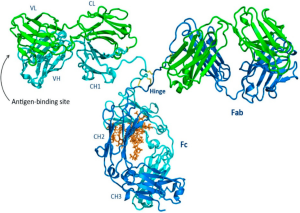
Fig.1 Antibody structure [6]

1 Western Blotting: Western blotting assesses the specificity and sensitivity of antibodies by detecting the presence of target proteins within a complex mixture. It’s pivotal for verifying that an antibody recognizes the correct target protein with high specificity.

2 Immunoprecipitation (IP): IP is another crucial method where antibodies are used to pull down target proteins from a mixture. The effectiveness and specificity of an antibody in IP assays are pivotal for ensuring accurate downstream analyses.

3 Immunohistochemistry (IHC) and Immunofluorescence (IF): Through IHC and IF, antibodies are used to visualize target proteins within tissue sections or cells. Validation in these assays ensures that the antibody accurately represents the localization and expression level of the target protein.

4 Flow Cytometry: This technique assesses the ability of antibodies to identify and quantify target proteins in a flow of cells, providing insights into the antibody’s effectiveness in recognizing its target under native conditions.

5 Enzyme-Linked Immunosorbent Assay (ELISA): ELISA evaluates the binding specificity, sensitivity, and quantitative capabilities of antibodies, which is crucial for many diagnostic applications.

6 Knockdown/Knockout Validation: Comparing antibody staining between wild-type and knockdown or knockout cells/tissues provides a robust measure of an antibody’s specificity.

7 Mass Spectrometry: Post IP Mass Spectrometry helps in identifying the proteins that have been pulled down by the antibody, further confirming the antibody’s specificity.

8 Array-based Approaches: Antibodies are screened against a plethora of antigens printed on a microarray slide to evaluate cross-reactivity and specificity.

9 Multiple Antigen Labeling: Utilizing multiple antibodies to different epitopes of the target protein or to other proteins known to be co-localized with the target can provide additional validation.

10 Computational Analysis: In silico analysis utilizing available genomic and proteomic databases can also aid in predicting and evaluating antibody specificity.

This structured examination of antibody validation methods, intertwined with real-world applications and initiatives towards standardization, provides a comprehensive overview of the steps taken to ensure reliability in antibody usage, fostering a culture of excellence and accuracy in scientific investigations.

The meticulous process of antibody validation fortifies the foundation of numerous research projects. It ensures that the deductions made and the knowledge gleaned are standing on solid ground, unfettered by the specter of inaccuracies that could arise from unreliable antibodies. The scientific community has also rallied towards standardizing antibody validation practices. Initiatives like the International Working Group for Antibody Validation (IWGAV) have been pivotal in proposing standardized guidelines for antibody validation, which are steadily gaining traction across the globe.

In conclusion, the essence of antibody validation transcends beyond mere protocol. It is an allegiance to the ethos of scientific accuracy, a commitment to unearthing truths with tools honed to the pinnacle of reliability.


KMD Bioscience’s analysis services take advantage of advanced technology and proven expertise to help customers meet their scientific research project needs. KMD Bioscience can provide protein interaction detection services, including Co-IP, Pull-down and other testing experiments, to reveal the qualitative and quantitative analysis of protein. KMD Bioscience can also carry out ELISA, Western Blot and other commonly used immunological detection techniques to accelerate the research.

For more information, Visit us at  https://www.kmdbioscience.com/ to have a detailed understanding.


This article serves as a reference material for enthusiasts in scientific research. It does not substitute for professional knowledge or hands-on experimental procedures which require more detailed and professional information. In case of any content infringement, kindly reach out to the author for immediate deletion of the contentious material.

References:

1 Bordeaux, J., Welsh, A., Agarwal, S., Killiam, E., Baquero, M., Hanna, J., … & Rimm, D. L. (2010). Antibody validation. Biotechniques, 48(3), 197-209.

Uhlen, M., Bandrowski, A., Carr, S., Edwards, A., Ellenberg, J., Lundberg, E., … & 2 Rockberg, J. (2016). A proposal for validation of antibodies. Nature methods, 13(10), 823-827.

3 Baker, M. (2015). Reproducibility crisis: Blame it on the antibodies. Nature, 521(7552), 274-276.

4 Voskuil, J. L. A. (2014). The challenges with the validation of research antibodies. F1000Research, 3, 154.

5 International Working Group for Antibody Validation (IWGAV) (2016). Antibody Validation: Standards, Policies, and Practices. [Online] Available at: [URL]

6 Chiu, M.L.; Goulet, D.R.; Teplyakov, A.; Gilliland, G.L. Antibody Structure and Function: The Basis for Engineering Therapeutics. Antibodies 2019, 8, 55. https://doi.org/10.3390/antib8040055

051 月/24

KMD Bioscience unveils Antibody Generation Techniques: Polyclonal vs. Monoclonal

Introduction:

Antibodies, as pivotal components of the immune system, have been employed in various scientific and medical fields. The generation of antibodies, as a critical aspect of immunological responses, has garnered significant attention in biomedical research and clinical applications. The methodologies for producing antibodies can be broadly categorized into polyclonal and monoclonal approaches, each with distinct protocols and resultant antibody populations. This article delves into the methods of production, differences, advantages, and disadvantages of monoclonal and polyclonal antibodies, and explores their applications and prospects in the scientific research market.

Polyclonal Antibody Production:

Polyclonal antibodies (pAbs) are a diverse mixture of antibodies produced by different B cell lineages within an immunized host, typically a rabbit or goat. The process begins with the administration of the target antigen, following which the host’s immune system generates a broad spectrum of antibodies recognizing multiple epitopes on the antigen. The antiserum, containing this heterogeneous antibody population, is then collected and may undergo further purification to obtain the desired antibody fraction.


The general procedure to produce polyclonal antibodies is as follows:

1 Antigen preparation

2 Adjuvant selection and preparation

3 Animal selection

4 Injection and ELISA titer testing

5 Blood serum extraction and antibody purification.
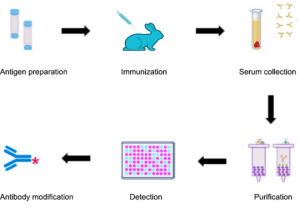
Fig1. Polyclonal Antibody Production Procedure


Monoclonal Antibody Production:

Monoclonal antibodies (mAbs) are homogeneous antibodies that originate from a single B cell lineage, ensuring uniform specificity towards a particular epitope on the antigen. The quintessential method for mAbs production is hybridoma technology. In this technique, a mouse is immunized with the target antigen, and subsequent fusion of the isolated B cells with myeloma cells results in hybridoma cells. These hybridomas are then cultured, and the produced mAbs are harvested and purified, ensuring a consistent, high-specificity antibody population.


The general procedure to produce monoclonal antibodies is as follows:

1 Immunization of mice & isolation of splenocytes

2 Preparation of myeloma cells

3 Cell Fusion

4 Clone screening and picking

5 Functional characterization

6 Expansion and purification
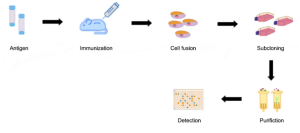
Fig2. Monoclonal Antibody Production Procedure


The following table shows the major differences between polyclonal and monoclonal:


Feature Polyclonal Antibodies Monoclonal Antibodies
Source Multiple B-cell lineages Single B-cell lineage
Epitope Recognition Multiple epitopes Single epitope
Production Method Immunization of animals Hybridoma technology
Specificity Lower Higher
Production Time Shorter Longer
Cost Lower Higher
Batch Consistency Lower Higher
Cross Reactivity Higher Lower
Applications Diagnostics, antivenom Diagnostics, therapeutics, research
Advantages Broad reactivity, cost-effective High specificity, consistent
Disadvantages Batch variability, cross-reactivity Expensive, time-consuming

No matter monoclonal antibodies or polyclonal antibodies are widely used as diagnostic tools and therapeutic applications:


Diagnostic Applications of Monoclonal Antibodies (mAbs):


*High Specificity: mAbs are renowned for their high specificity to a single epitope, which is vital in diagnostic assays where precise antigen recognition is crucial.

*Use in ELISA and Immunohistochemistry: Their use in Enzyme-Linked Immunosorbent Assay (ELISA) and immunohistochemistry ensures accurate diagnostic results, aiding in the detection and monitoring of diseases.

*Detection of Specific Strains: mAbs can also be engineered to detect specific strains or subtypes of pathogens, making them invaluable in infectious disease diagnostics.


Diagnostic Applications of Polyclonal Antibodies (pAbs):


*Broad Reactivity: pAbs have the ability to recognize multiple epitopes on an antigen, which is beneficial in diagnostics where a broader recognition spectrum is advantageous.

*Use in ELISA: Like mAbs, pAbs are also utilized in ELISA and other diagnostic assays, especially when detecting a range of antigenic variants is crucial.


Therapeutic Applications of Monoclonal Antibodies:

*Targeted Therapy: mAbs have revolutionized cancer therapy, autoimmune disease management, and other fields by providing targeted therapies. They can be engineered to bind specific cells or proteins, modulating their activity.

*Personalized Medicine: With the advent of personalized medicine, mAbs can be tailored to individual patient profiles, optimizing therapeutic outcomes.

*Antibody-Drug Conjugates (ADCs): mAbs are also utilized as drug carriers in antibody-drug conjugates, delivering toxic agents specifically to tumor cells while sparing normal cells.


Therapeutic Applications of Polyclonal Antibodies:

*Antivenom Production: pAbs play a crucial role in antivenom production, where a broad spectrum of antibodies is required to neutralize various toxins present in venom.

*Infectious Diseases: They are also utilized in passive immunotherapy for infectious diseases, providing a broad-spectrum immune response.

The marketing trends for monoclonal and polyclonal antibodies are reflective of the evolving healthcare landscape and advancements in biotechnology. Below are several notable trends and projections based on recent market analyses:

The global market for monoclonal antibodies (mAbs) is on a robust growth trajectory. The market was valued at around $210.06 billion in 2022 and is projected to exhibit a compound annual growth rate (CAGR) of 11.04% from 2023 to 2030[1]​. Another report estimates the mAbs market to reach $463 billion by 2030 from $187 billion in 2022[2]​​.

On the other hand, the polyclonal antibodies market is also growing, albeit at a slower pace compared to mAbs. The global polyclonal antibodies market is expected to grow from $1.27 billion in 2022 to $1.35 billion in 2023, with a CAGR of 6.3%​[3]​. The market is projected to reach around $1.44 billion by 2029, with a CAGR of 5.2% from 2023 to 2029[4]​​.

Production and Technological Advancements:

The market for antibody production is expanding in response to the growing demand for targeted therapies. The antibody production market size accounted for $14.3 billion in 2022 and is estimated to grow at 11.8% to reach $44 billion by 2032​[5]​.

Biosimilars Driving Cost Efficiency:

The advent of biosimilar monoclonal antibodies is a significant trend driving market growth. Biosimilars aim to reduce healthcare costs and increase treatment accessibility by providing cost-effective alternatives to original biologic drugs. A biosimilar monoclonal antibody costs 20%-25% less than the originator biologic drug, making treatment more affordable and accessible​6​.

Strategic Initiatives by Companies:

Top companies in the monoclonal antibody market are engaging in strategic acquisitions, collaborations, and partnership agreements to broaden their product portfolios and geographical reach. For instance, in March 2022, Sanofi S.A. collaborated with Seagen Inc. to design, develop, and market antibody-drug conjugates for cancer treatment using exclusive monoclonal antibody and antibody-drug conjugate technologies​​[6]​.

Alternative Treatment Methods:

The rise in alternative treatment methods and natural remedies is expected to challenge the revenues of the monoclonal antibody drugs market. Treatments in homeopathy, Ayurveda, yoga, acupuncture, and sujok therapy are gaining popularity, posing competition to traditional biologic drugs​[6]​.

Regional Market Dynamics:

Regional market dynamics, including new regulatory guidelines like the ‘Guidelines on Similar Biologics’ in India, are expected to boost the biosimilar industry, subsequently impacting the monoclonal antibodies market​​[6]​​.

These trends underscore the dynamic nature of the antibodies market, influenced by technological advancements, strategic industry initiatives, and evolving healthcare paradigms. The promising growth projections for both monoclonal and polyclonal antibodies markets signify their critical role in the future of diagnostics, therapeutics, and biomedical research.

For specific details, please consult the official website of KMD Bioscience:https://www.kmdbioscience.com/

Kindly note ; This article serves as a reference material for enthusiasts in scientific research. It does not substitute for professional knowledge or hands-on experimental procedures which require more detailed and professional information. In case of any content infringement, kindly reach out to the author for immediate deletion of the contentious material.

Reference link:

1 https://www.grandviewresearch.com/industry-analysis/monoclonal-antibodies-market

2 https://www.globenewswire.com/news-release/2023/10/16/2761090/0/en/Monoclonal-Antibodies-Market-Size-Projections-Exhibit-a-CAGR-of-12-0-Likely-to-Attain-a-Value-of-USD-463-0-Billion-by-2030.html#:~:text=Newark%2C%20Oct,The%20prevalence%20of

3 https://www.globenewswire.com/news-release/2023/08/24/2731329/0/en/Polyclonal-Antibodies-Global-Market-Report-2023.html#:~:text=The%20global%20polyclonal%20antibodies%20market,Ukraine%20war%20disrupted

4 https://www.globenewswire.com/news-release/2023/05/16/2669872/0/en/Polyclonal-Antibodies-Market-is-to-reach-USD-1-44-Billion-by-2029-at-a-growth-rate-of-5-2-percent-over-the-forecast-period.html#:~:text=The%20Polyclonal%20Antibodies%20Market%20size,from%202023%20to%202029

5 https://www.gminsights.com/industry-analysis/antibody-production-market#:~:text=Antibody%20Production%20Market%20size%20accounted,diseases%2C%20such%20as%20cancer

6 https://www.globenewswire.com/en/news-release/2023/03/07/2622442/28124/en/Global-Monoclonal-Antibodies-MAbS-Market-Report-2023-Major-Players-Include-Merck-AbbVie-Amgen-GlaxoSmithKline-Norvatis-and-Pfizer.html

021 月/24

KMD Bioscience provides professional technical services

KMD Bioscience Co., Ltd. was established in Tianjin, China in 2014. The founder team has many years of experiences in human drug research and development. KMD Bioscience takes research & development as the foundation of its value and focuses on providing high-quality products and drug-antibody discovery services for global scientists, research institutes and pharmaceutical companies. As a high-tech enterprise in China, KMD Bioscience has successfully obtained the ISO9001:2015 quality management system certification and national patent pilot laboratory honor. At present, the company has more than 30 patents and 2 registered trademarks. KMD Bioscience provides more than 800+ technical service consulting, custom service design and project delivery for research institutes, hospitals, pharmaceutical companies and biological companies worldwide every year.

At the beginning of its establishment, KMD Bioscience started from the phage display technology platform to provide high-quality antibody discovery services, and gradually established stable cell line construction and screening, natural protein extraction and fermentation, and recombinant protein custom expression services, a multi-species antibody discovery platform. Based on the above-mentioned major R&D platforms, KMD Bioscience has successfully developed many related reagents such as recombinant proteins, antibodies, antibody-drug similars, industrial enzymes, and diagnostic raw materials for scientific research and new drug discovery.

2812 月/23

EBV Immortalized B Cell Lines-KMD Bioscience

In the dynamic field of biotechnology, the ability to immortalize B cells has become a transformative force, unlocking a realm of possibilities for researchers and industry professionals. At the forefront of this groundbreaking innovation is KMD Bioscience, a trailblazer in the generation of Epstein-Barr Virus (EBV) immortalized B cell lines.

B cell immortalization is a cutting-edge technique that extends the lifespan of B cells, providing researchers with a sustainable and reproducible cellular platform. KMD Bioscience recognizes the pivotal role this process plays in advancing biotechnological research, and our commitment to excellence is reflected in our state-of-the-art approaches to EBV immortalized B cell lines.

EBV Immortalized B Cells: A Game-Changing Technology: Epstein-Barr Virus (EBV) immortalized B cells have emerged as a cornerstone in biotechnological research. KMD Bioscience takes pride in its expertise in the generation of EBV immortalized B cell lines, offering researchers an invaluable resource for studying immune responses, antibody production, and the intricate mechanisms underlying various diseases.

Human B Cell Immortalization: Precision and Reliability: As leaders in the field, KMD Bioscience specializes in human B cell immortalization, ensuring that our cell lines accurately mimic the behavior of native human B cells. This precision and reliability make our EBV immortalized B cell lines ideal tools for investigating immunological processes, vaccine development, and the exploration of therapeutic antibodies.


The KMD Bioscience Advantages:

1 Our commitment to advancing research is underscored by the integration of cutting-edge technologies in the generation of EBV immortalized B cell lines. We employ sophisticated methodologies to ensure the reproducibility and stability of our cell lines, providing researchers with a consistent and reliable platform for their experiments.

2 Understanding the unique demands of diverse research projects, KMD Bioscience offers customized solutions in the generation of EBV immortalized B cell lines. Whether you are studying autoimmune disorders, infectious diseases, or developing novel therapeutics, our team collaborates with you to tailor our services to your specific research objectives.

3 KMD Bioscience goes beyond providing cell lines; we offer comprehensive support throughout your research journey. Our team of experts is readily available to address inquiries, offer technical assistance, and ensure a seamless experience with our EBV immortalized B cell lines.

4 By harnessing the power of EBV immortalization, KMD Bioscience empowers researchers to delve deeper into the complexities of the immune system. Our EBV immortalized B cell lines serve as a catalyst for breakthroughs in vaccine development, immunotherapy, and the understanding of diseases at the cellular level.

Join KMD Bioscience on the forefront of biotechnological innovation. Explore the unparalleled possibilities that our EBV immortalized B cell lines bring to your research, and let’s together pave the way for a future of groundbreaking discoveries in immunology and beyond.

2812 月/23

KMD Bioscience Pioneers Immortalized Cell Lines for Advanced Biotechnological Solutions

In the ever-evolving of biotechnology, the concept of immortalized cell lines has become a game-changer, propelling research and development to unprecedented heights. At the forefront of this scientific revolution stands KMD Bioscience, a leading innovator in the realm of immortalized cell lines and their applications.

The Power of Cell Immortalization

Cell immortalization, a transformative process that allows cells to evade the natural limits of cellular senescence, has emerged as a cornerstone in biotechnological advancements. At KMD Bioscience, we recognize the immense potential of immortalized cell lines in driving progress across diverse applications, from drug discovery to therapeutic protein production.

SV40 Immortalization: A Trailblazing Technique

One of the key methodologies employed by KMD Bioscience in cell immortalization is the SV40 immortalization technique. Named after the Simian Virus 40, this method utilizes the virus’s large T antigen to stave off cellular senescence, granting cells an “immortal” status. The result is a stable and proliferative cell line that serves as an invaluable tool for long-term experiments and high-throughput screening.


Large T Antigen Immortalization: Precision and Versatility

At KMD Bioscience, our commitment to excellence is reflected in the meticulous application of large T antigen immortalization. This technique, which leverages the power of specific viral proteins, ensures not only the longevity of the cell line but also preserves cellular functionality, making it an ideal choice for a wide array of research and biotechnological applications.


Elevating Research Possibilities with Immortalized Cell Lines

The use of immortalized cell lines opens up a myriad of possibilities for researchers and industry professionals alike. By providing a consistent and reproducible cellular environment, these cell lines become indispensable in the study of cellular processes, disease modeling, and the development of novel therapeutics.

KMD Bioscience: Your Partner in Biotechnological Innovation

As a leader in the field, KMD Bioscience is dedicated to providing researchers with unparalleled tools for advancing their work. Our extensive portfolio of immortalized cell lines, coupled with state-of-the-art facilities and a team of experienced scientists, positions us as your strategic partner in biotechnological innovation.

Tailored Solutions for Your Unique Needs

At KMD Bioscience, we understand that each research endeavor is unique. Therefore, we offer customizable solutions to meet the specific requirements of your projects. Whether you are exploring the intricacies of cellular pathways or developing cutting-edge therapies, our immortalized cell lines empower you to push the boundaries of scientific discovery.

In the dynamic world of biotechnology, KMD Bioscience stands as a beacon of innovation, leading the charge in immortalized cell line technology.


2812 月/23

Introducing KMD Bioscience’s Antibody Discovery Service Platform

In the expansive progress of biotechnology, the search for novel antibodies lies at the heart of transformative discoveries. Enter KMD Bioscience’s Antibody Discovery Service Platform, a beacon of innovation designed to accelerate and streamline the antibody discovery process. With a commitment to excellence, our platform empowers researchers, pharmaceutical companies, and academia to unlock the full potential of antibody-based therapies.

At the core of our Antibody Discovery Service Platform is a team of seasoned scientists equipped with profound expertise in antibody discovery. Leveraging state-of-the-art technologies and methodologies, we guide our clients through a comprehensive journey – from target selection to antibody validation – ensuring a seamless and efficient process.


Comprehensive Phage Display and Hybridoma Approaches

KMD Bioscience’s platform integrates cutting-edge techniques, including phage display and hybridoma technologies, to offer a comprehensive solution for antibody discovery. Phage display allows for the screening of vast antibody libraries, while hybridoma technology harnesses the power of the immune system to produce monoclonal antibodies. This dual approach ensures a diverse and robust pool of antibodies tailored to specific research or therapeutic needs.

Customized Antibody Discovery Solutions

Understanding the unique demands of diverse projects, our Antibody Discovery Service Platform provides tailored solutions to meet specific requirements. Whether your focus is on therapeutic antibody development, diagnostics, or research applications, our team collaborates closely with you to customize our services, ensuring optimal outcomes aligned with your project goals.


KMD Bioscience invests in cutting-edge facilities and technologies to stay at the forefront of antibody discovery. Our platform boasts advanced equipment, high-throughput screening capabilities, and automated workflows, enabling rapid and precise identification of antibodies with the desired specificity, affinity, and functionality.


The Antibody Discovery Service Platform from KMD Bioscience is not just a service; it’s a catalyst for progress in drug development and research. By expediting the antibody discovery process, we empower our clients to bring new therapeutics and diagnostics to market faster, ultimately contributing to advancements in the fields of oncology, immunology, infectious diseases, and more.


Collaborative Partnership for Success: Beyond providing a service, KMD Bioscience aims to establish a collaborative partnership with our clients. Our Antibody Discovery Service Platform is a testament to our commitment to advancing scientific frontiers together. With transparent communication, flexible project management, and a dedication to delivering high-quality results, we stand as your trusted ally in the pursuit of groundbreaking antibody-based solutions.


Embark on a journey of innovation with KMD Bioscience‘s Antibody Discovery Service Platform. Join us as we illuminate the path to breakthroughs, one antibody at a time, and redefine the future of biotechnological discovery.


2512 月/23

KMD Bioscience—Antibody sequencing

KMD Bioscience’s quality service is based on our extensive experience in the field of antibodiesMonoclonal antibody molecules play a crucial role in biosimilar development and diagnostic reagent development. The antibody molecule’s primary structure, especially the amino acid sequence of its CDR region is the core of its biological function, and its accurate and rapid analysis of the complete sequence is of great significance. We can provide fast and reliable antibody sequencing services based on ultra-high-resolution mass spectrometry and high-fidelity gene cloning technology.

KMD Bioscience is experienced in antibody sequencing and can deliver high-quality sequencing results in a short period of time. KMD Bioscience uses the advanced Orbitrap Fusion Lumos mass spectrometer and powerful antibody sequencing data processing software: PEAKS AB Software, combined with gene sequencing and bioinformatics database, establishing a new generation of antibody sequencing platform to achieve fast and accurate antibody sequencing. Our analysis ensures the accuracy of each antibody sequencing. Our platform is suitable for different subtypes of antibodies such as IgA, IgE, IgG and IgM, as well as different forms of antibodies, such as fluorescently coupled antibodies and immobilized antibodies. It is suitable for different species.

1512 月/23

Unleashing the Power of Antibodies: How Phage Display Revolutionized Antibody Discovery

Introduction to Phage Display

Phage display is a powerful laboratory technique used to study protein interactions and identify peptides, antibodies, or alternative scaffolds with desired binding properties. The technique was first conceptualized by George P. Smith in 1985 and relies on the ability to genetically fuse proteins of interest to the coat proteins of bacteriophages. This results in the displayed proteins being exposed on the surface of the phage while still being connected to the DNA encoding them inside the virion.

The phage display process starts by constructing a phage library containing up to billions of phages, each expressing a different protein variant on its surface. The library is then subjected to various selection procedures called biopanning to isolate phages that display proteins with high affinity and specificity to given targets. After multiple rounds of selection, the binding proteins displayed on selected phages can be identified by sequencing the phage DNA. These proteins can then be produced in large quantities for downstream applications.

Overall, phage display provides a link between a protein phenotype (binding ability) and its genotype (encoding gene) within the phage, allowing for rapid screening and identification of proteins and peptides that interact with a wide array of targets. This makes phage display a versatile technology for the development of new diagnostics, therapeutics, and biomaterials.

Applications of Phage Display

Phage display has become an invaluable tool with numerous applications across many scientific fields and industries:

Protein Engineering

Phage display has been widely used for engineering proteins with improved or novel properties. It enables researchers to introduce mutations into a protein displayed on phage and select for variants with higher stability, altered specificity, or enhanced catalytic activity. Notable examples include engineering enzymes like proteases and cellulases for industrial applications.

Antibody Discovery

The most common application of phage display is for discovering and engineering monoclonal antibodies for research, diagnostics, and therapy. It has been used to isolate antibodies against cancer antigens, infectious diseases, autoimmune disorders, and more. The anti-cancer drug adalimumab was developed using phage display.

Peptide Discovery

Phage libraries displaying diverse peptides on their surface are screened to discover peptides that bind with high specificity and affinity to targets. Identified peptides can then serve as therapeutics, diagnostics, or research reagents. Phage display was used to discover the peptide drug enfuvirtide for HIV.

Drug Discovery

Beyond peptides, phage display facilitates identification of drug leads that bind to disease-associated receptors, enzymes, and other drug targets. It provides a powerful approach to finding inhibitors, agonists or antagonists.

Vaccine Development

Phage display has been leveraged to identify novel antigens that can induce potent immune responses for vaccine development. Particularly against variable pathogens like influenza or HIV. The technology helps overcome limitations of conventional vaccine strategies.

Biomaterial Discovery

By screening phage libraries against tissue samples, new peptides have been discovered that selectively bind to materials like bone, cartilage, tumors, etc. These peptides have been incorporated into synthetic biopolymers to create novel biomaterials for tissue engineering and regenerative medicine.

Diagnostics

Phage display enables isolation of peptides or antibodies that detect biomarkers of disease. These have been integrated into diagnostic platforms like lateral flow assays and ELISA to provide rapid, sensitive point-of-care diagnostic tests.

Antibody Phage Display Libraries

Antibody phage display libraries are collections of phages that display antibodies on their surface. These libraries are constructed by cloning antibody genes into phage genomes, resulting in each phage displaying a single antibody variant on its surface. The power of antibody phage display lies in the ability to generate extremely large and diverse libraries of antibodies in a test tube.

To construct an antibody phage display library, antibody genes are first isolated from B cells of immunized animals or synthesized as randomized sequences. These antibody genes, which encode the variable regions of antibodies, are then cloned into a phage vector downstream of a phage coat protein gene. As a result, when phage particles are produced, the antibody fragment will be displayed on the surface fused to the coat protein.

Each phage in the library displays a unique antibody on its surface. Library diversity is achieved by isolating antibody genes from a wide repertoire of B cells or by randomizing the antibody gene sequences. State-of-the-art libraries contain over 10 billion different antibodies, allowing comprehensive sampling of the natural antibody repertoire.

The key advantage of antibody phage display libraries over monoclonal antibodies or hybridomas is the incredible diversity that can be achieved in a test tube. The large library size and diversity allows for isolation of rare, high affinity antibodies without immunization or natural in vivo selection steps. High quality antibody leads can be generated in only weeks through phage display. Additionally, phage display enables full control over antibody selection conditions for screening and evolution of ideal candidates. Overall, the construction of vast antibody phage display libraries has revolutionized the antibody discovery process.

Antibody Production

Once the desired antibodies have been identified through panning and screening of the phage display library, the next step is to produce the antibodies on a large scale for downstream applications. This requires isolating the genetic material encoding the antibody variable regions and cloning them into an expression vector and system suitable for high yield production.

The most common approach is to PCR amplify the DNA sequences encoding the variable heavy and light chains from the selected phage. These antibody fragments are then ligated into plasmid expression vectors designed for production in bacterial, yeast, or mammalian cell culture systems.

For bacterial systems, plasmids with inducible promoters (e.g. lac, tac, trp, or T7) are used to drive high level expression in common strains like E. coli. Yeast systems take advantage of plasmids with strong constitutive promoters (e.g. PGK1, GPD) for expression in Pichia pastoris or Saccharomyces cerevisiae. Mammalian cells like CHO or HEK293 cells are ideal for proper post-translational modifications using plasmids with promoters like CMV or SV40.

Each system has its advantages and disadvantages in terms of yield, cost, ease of use, and proper antibody processing. However, they all enable controlled, scalable production of the phage display derived antibodies for applications in research, diagnostics, and therapeutics.

Applications of Phage Antibodies

Phage display technology has enabled the development of antibodies with high affinity and specificity against virtually any target antigen. These phage antibodies have become indispensable tools with numerous applications in research, diagnostics, and therapeutics.

In research, phage antibodies are widely used for detecting and purifying proteins, elucidating protein functions, staining tissues, and studying protein-protein interactions. For example, phage antibodies can be used to label specific proteins in cells and tissues for visualization and tracking. They also enable pull-down assays and coimmunoprecipitation to study protein complexes.

For diagnostics, phage antibodies have been adapted into rapid immunoassays and biosensors for detecting biomarkers, pathogens, toxins, and other analytes. Phage antibodies specific for cancer markers like PSA are used in lateral flow tests for early diagnosis. They also enable sensitive detection of viruses like influenza, HIV, and SARS-CoV-2.

Therapeutically, phage antibodies have been engineered into antibody-drug conjugates for targeted drug delivery. For cancer treatment, phage antibodies against tumor antigens can precisely deliver chemotherapeutic agents. Phage antibodies neutralizing pathogenic toxins have also been developed as antidotes against botulism and anthrax. In addition, phage antibodies are being explored as novel treatments for asthma, rheumatoid arthritis, multiple sclerosis, and other diseases.

With continuous advances in molecular engineering and library screening, phage display will enable the next generation of highly tailored and potent antibody therapeutics. The applications of phage antibodies are rapidly expanding and they continue to be indispensable tools for research and medicine.

Conclusion

Phage display technology for antibody library construction has proven to be an exceptionally valuable tool for generating antibodies against a wide array of targets. This technique allows for the rapid isolation of antibodies directly from immune or synthetic sources, overcoming previous limitations in antibody development.

The ability to construct vast libraries containing billions of different antibodies, combined with powerful screening and selection methods, enables the reliable isolation of antibodies with high affinity and specificity. Phage display dramatically accelerated the generation of monoclonal antibodies, even without prior immune response, leading to a revolution in antibody engineering and development.

Antibody phage display libraries have become a pillar of modern biotechnology, with widespread use in research, diagnostics, and therapeutics. The synthetic control over antibody sequences facilitates optimization for different applications. Further refinement of library designs, screening approaches, and antibody engineering will expand the power and versatility of this platform.

Phage display stands poised to enable the next generation of antibody-based tools and medicines. Continued advances will provide solutions to increasingly complex challenges in biology and medicine for years to come.

KMD Bioscience has established a complete and mature phage antibody display technology platform. KMD Bioscience specializes in advanced phage display technologies for a variety of service projects. With the mature antibody production platform we have built up, we can offer high-quality phage display library construction and custom phage display library screening services to meet various customer needs.

1512 月/23

Some thoughtful tips: key steps in antibody production

In order to produce higher quality antibodies, we can choose more suitable methods to optimize the production process. The following are some tips during the antibody production process:

Tips of Immunization Techniques

The selection of alpaca and the immune antigen are the key to the success of immunization. Choose healthy and strong, good mental state, moderate size of the alpaca is blank alpaca. The purity of the immune antigen and its correct conformation are crucial to the screening of suitable antibodies after immunizing alpacas for subsequent use, and the purity of the protein antigen is generally not less than 90%.

lymphocyte separation: Timely cell separation can effectively prevent hemolysis after blood collection to achieve the best separation effect.

The choice of immune cycle can affect the immune effect, according to experience, 1-2 weeks of immunization interval can make alpacas have a good immune response to most antigens[1].

Tips for constructing phage library

The capacity and diversity of phage library is one of the important criteria to measure the quality of the library, and the larger the capacity and the better the diversity of the library is an effective guarantee for the successful screening of nano antibodies;

The key factors affecting the capacity and diversity of the library include: degradation of RNA during RNA extraction, template and primer during reverse transcription, selection of primer and amount of template during amplification, number of PCR amplification cycles, conversion efficiency of receptive bacteria, size of linking system, etc.

Tips of Antibody screening techniques

The appropriate amount of antigen coating is related to the molecular weight of the antigen, hydrophobic and hydrophilic properties, structure, and also to the selection of coated buffer and coated medium. Reasonable coating is the basis for successful screening. If necessary, pre-experiments can be conducted to determine the conditions of coating or the method of antigen binding magnetic beads can be selected for screening[2].

The titer of the phage was determined after elution. After 2-4 rounds of antigen encapsulation by panning, the enrichment degree of the phage should be within a reasonable range.

KMD Bioscience has established a complete and mature phage antibody display technology platform. KMD Bioscience has been working on antibody research for many years. We have mature technology, with our complete antibody platform, we can offer multi-species antibody production services by using antibody phage display library technology. Meanwhile, we are devoted to providing one-stop technical services including antibody purification, antibody labeling, affinity analysis, antibody humanization, antibody affinity maturation and related services.


  1. De Genst E, Saerens D, Muyldermans S, Conrath K. Antibody repertoire development in camelids. Dev Comp Immunol. 2006;30(1-2):187-98.
  2. Rossotti MA, Trempe F, van Faassen H, Hussack G, Arbabi-Ghahroudi M. Isolation and Characterization of Single-Domain Antibodies from Immune Phage Display Libraries. Methods Mol Biol. 2023;2702:107-147.